

Are Cast Iron Test Blocks easy to machine?
As a supplier of Cast Iron Test Blocks, I've had numerous discussions with customers and industry professionals about the machinability of these essential components. Cast iron test blocks are widely used in various industries for calibration, inspection, and quality control purposes. Their machinability is a critical factor that can significantly impact production efficiency, cost, and the final quality of the products.
Understanding Cast Iron Test Blocks
Before delving into the machinability aspect, it's important to understand what cast iron test blocks are. Cast iron is an alloy of iron, carbon, and silicon, with the carbon content typically ranging from 2% to 4%. This high carbon content gives cast iron its unique properties, such as high hardness, good wear resistance, and excellent damping capacity.

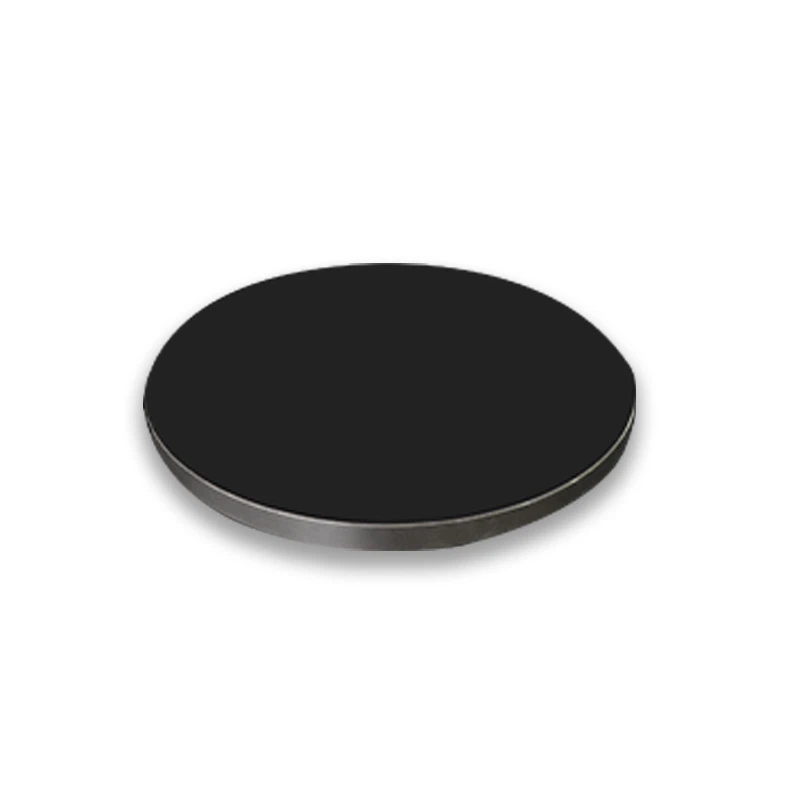
Cast iron test blocks are precision-engineered components that are used to verify the accuracy of measuring instruments, such as micrometers, calipers, and coordinate measuring machines (CMMs). They come in various shapes and sizes, with flat, parallel, and perpendicular surfaces that are carefully machined to meet strict dimensional tolerances.
Factors Affecting Machinability
The machinability of cast iron test blocks is influenced by several factors, including the type of cast iron, the machining process, the cutting tools used, and the machining parameters.
Type of Cast Iron
There are several types of cast iron, each with its own unique properties and machinability characteristics. The most common types of cast iron used for test blocks are gray cast iron and ductile cast iron.
- Gray Cast Iron: Gray cast iron is the most widely used type of cast iron for test blocks. It has a graphite microstructure that gives it good machinability. The graphite acts as a solid lubricant, reducing friction and wear on the cutting tools. Gray cast iron is relatively easy to machine, and it can be machined using a variety of cutting tools, including high-speed steel (HSS) and carbide tools.
- Ductile Cast Iron: Ductile cast iron, also known as nodular cast iron, has a microstructure that contains spherical graphite nodules. This gives it higher strength and ductility compared to gray cast iron. However, ductile cast iron is more difficult to machine than gray cast iron because the spherical graphite nodules can cause the cutting tools to wear more quickly. Ductile cast iron typically requires the use of carbide cutting tools and higher cutting speeds to achieve good machining results.
Machining Process
The machining process used to manufacture cast iron test blocks can also affect their machinability. The most common machining processes used for cast iron test blocks include turning, milling, grinding, and drilling.
- Turning: Turning is a machining process that involves rotating the workpiece while a cutting tool is fed against it to remove material. Turning is a relatively easy process to perform on cast iron test blocks, especially if the cast iron is gray cast iron. However, turning ductile cast iron can be more challenging because the spherical graphite nodules can cause the cutting tool to chatter and produce a poor surface finish.
- Milling: Milling is a machining process that involves using a rotating cutting tool to remove material from the workpiece. Milling is a versatile process that can be used to machine a variety of shapes and features on cast iron test blocks. However, milling can be more difficult than turning because the cutting tool is in contact with the workpiece for a longer period of time, which can cause the cutting tool to wear more quickly.
- Grinding: Grinding is a machining process that involves using an abrasive wheel to remove material from the workpiece. Grinding is a precision machining process that can be used to achieve very tight dimensional tolerances and a high surface finish on cast iron test blocks. However, grinding can be a slow and expensive process, especially if the cast iron is hard or has a high carbon content.
- Drilling: Drilling is a machining process that involves using a drill bit to create a hole in the workpiece. Drilling is a relatively easy process to perform on cast iron test blocks, especially if the cast iron is gray cast iron. However, drilling ductile cast iron can be more challenging because the spherical graphite nodules can cause the drill bit to wander and produce a poor hole quality.
Cutting Tools
The type of cutting tools used to machine cast iron test blocks can also affect their machinability. The most common types of cutting tools used for cast iron test blocks include high-speed steel (HSS) tools, carbide tools, and ceramic tools.
- High-Speed Steel (HSS) Tools: HSS tools are made from a high-carbon steel alloy that contains tungsten, molybdenum, chromium, and vanadium. HSS tools are relatively inexpensive and can be used to machine a variety of materials, including cast iron. However, HSS tools have a lower cutting speed and a shorter tool life compared to carbide tools.
- Carbide Tools: Carbide tools are made from a hard, wear-resistant material that consists of tungsten carbide particles bonded together with a metallic binder. Carbide tools have a higher cutting speed and a longer tool life compared to HSS tools. They are the most commonly used type of cutting tools for machining cast iron test blocks, especially if the cast iron is hard or has a high carbon content.
- Ceramic Tools: Ceramic tools are made from a hard, brittle material that consists of aluminum oxide or silicon nitride particles. Ceramic tools have a very high cutting speed and a long tool life, but they are also very expensive and brittle. Ceramic tools are typically used for high-speed machining applications where the cutting forces are low and the surface finish requirements are high.
Machining Parameters
The machining parameters used to machine cast iron test blocks, such as cutting speed, feed rate, and depth of cut, can also affect their machinability. The optimal machining parameters depend on the type of cast iron, the machining process, and the cutting tools used.
- Cutting Speed: The cutting speed is the speed at which the cutting tool moves relative to the workpiece. The optimal cutting speed for machining cast iron test blocks depends on the type of cast iron, the machining process, and the cutting tools used. In general, higher cutting speeds can increase the machining efficiency, but they can also cause the cutting tools to wear more quickly.
- Feed Rate: The feed rate is the rate at which the cutting tool is fed into the workpiece. The optimal feed rate for machining cast iron test blocks depends on the type of cast iron, the machining process, and the cutting tools used. In general, higher feed rates can increase the machining efficiency, but they can also cause the cutting tools to wear more quickly and produce a poor surface finish.
- Depth of Cut: The depth of cut is the thickness of the material that is removed from the workpiece in each pass of the cutting tool. The optimal depth of cut for machining cast iron test blocks depends on the type of cast iron, the machining process, and the cutting tools used. In general, larger depths of cut can increase the machining efficiency, but they can also cause the cutting tools to wear more quickly and produce a poor surface finish.
Advantages of Machining Cast Iron Test Blocks
Despite the challenges associated with machining cast iron test blocks, there are several advantages to using cast iron for these components.
High Hardness and Wear Resistance
Cast iron has a high hardness and wear resistance, which makes it ideal for use in test blocks that are subjected to repeated use and abrasion. Cast iron test blocks can maintain their dimensional accuracy and surface finish over a long period of time, ensuring reliable and accurate measurements.
Good Damping Capacity
Cast iron has a good damping capacity, which means that it can absorb and dissipate vibrations. This is important for test blocks that are used in precision measuring instruments, as vibrations can affect the accuracy of the measurements. Cast iron test blocks can help to reduce vibrations and improve the stability of the measuring instruments.
Cost-Effective
Cast iron is a relatively inexpensive material compared to other materials, such as steel and aluminum. This makes cast iron test blocks a cost-effective option for many industries. Additionally, the machinability of cast iron can be improved by using the right cutting tools and machining parameters, which can further reduce the production cost.
Conclusion
In conclusion, the machinability of cast iron test blocks depends on several factors, including the type of cast iron, the machining process, the cutting tools used, and the machining parameters. While cast iron test blocks can be challenging to machine, especially if the cast iron is hard or has a high carbon content, they offer several advantages, such as high hardness, wear resistance, good damping capacity, and cost-effectiveness.
As a supplier of Cast Iron Test Blocks, we have extensive experience in machining these components to meet the strictest dimensional tolerances and surface finish requirements. We use the latest machining technologies and cutting tools to ensure the highest quality and efficiency in our production process. If you are in the market for Cast Iron Test Blocks or have any questions about their machinability, please feel free to contact us. We would be happy to discuss your specific requirements and provide you with a customized solution.
In addition to Cast Iron Test Blocks, we also offer a wide range of other lapping and polishing accessories, such as Glass Test Blocks, Polishing Plates, and Diamond Test Blocks. These products are designed to meet the needs of various industries, including aerospace, automotive, medical, and electronics.
References
- "Machining of Cast Iron" by John T. Black and Ronald A. Kohser
- "Metals Handbook: Machining" by ASM International
- "Cutting Tool Engineering" magazine


