

In the world of musical instrument manufacturing, the pursuit of perfection is a never - ending journey. The quality of a musical instrument is not only determined by its design and the materials used but also by the precision of its parts. One crucial aspect that often goes unnoticed is the polishing of these parts. As a precision polishing jig supplier, I am frequently asked whether our precision polishing jigs can be used for polishing musical instrument parts. In this blog, I will delve into this question, exploring the feasibility, benefits, and considerations of using precision polishing jigs for musical instrument parts.
The Nature of Musical Instrument Parts
Musical instrument parts come in a wide variety of shapes, sizes, and materials. From the brass valves of a trumpet to the wooden keys of a clarinet, each part has its own unique characteristics. The surfaces of these parts need to be polished to a high degree of smoothness and precision. For example, the inner bore of a saxophone needs to be polished to ensure smooth air flow, while the fretboard of a guitar needs to be polished to provide a comfortable playing experience for the musician.
Precision Polishing Jigs: An Overview
Precision polishing jigs are specialized tools designed to hold and position workpieces during the polishing process. They are engineered to ensure consistent and accurate polishing results. These jigs can be customized to fit different shapes and sizes of workpieces, allowing for a high level of flexibility. They are commonly used in industries such as electronics, automotive, and aerospace, where precision is of utmost importance.
Feasibility of Using Precision Polishing Jigs for Musical Instrument Parts
The answer to whether a precision polishing jig can be used for polishing musical instrument parts is a resounding yes. Here are the reasons:
1. Customization
As mentioned earlier, precision polishing jigs can be customized to fit the specific requirements of musical instrument parts. Whether it's a complex - shaped brass bell or a delicate wooden peg, a well - designed jig can securely hold the part in place during the polishing process. This ensures that the polishing is carried out evenly and accurately, without causing any damage to the part.
2. Consistency
Consistency is key in musical instrument manufacturing. Each part needs to meet a certain standard of quality to ensure that the instrument performs well. Precision polishing jigs help to achieve this consistency by providing a stable and repeatable platform for polishing. Once the jig is set up correctly, it can be used to polish multiple parts with the same level of precision, reducing the variability in the final product.
3. Precision
Musical instrument parts often require a high level of precision in polishing. For example, the surface finish of a piano key needs to be smooth enough to allow for easy movement but not too slippery. Precision polishing jigs can be adjusted to control the pressure, speed, and direction of the polishing process, ensuring that the desired level of precision is achieved.
Benefits of Using Precision Polishing Jigs for Musical Instrument Parts
1. Improved Sound Quality
The smoothness and precision of the polished parts can have a significant impact on the sound quality of the musical instrument. For instance, a well - polished brass instrument will produce a clearer and more resonant sound. By using precision polishing jigs, manufacturers can ensure that the parts are polished to the highest standards, resulting in better - sounding instruments.
2. Enhanced Durability
Properly polished parts are more resistant to wear and tear. For example, the polished surfaces of the keys on a wind instrument are less likely to corrode or develop rough edges. This increases the lifespan of the instrument and reduces the need for frequent repairs.
3. Aesthetic Appeal
In addition to functionality, the appearance of a musical instrument is also important. A polished instrument looks more professional and attractive. Precision polishing jigs can help to create a uniform and high - quality finish on the parts, enhancing the overall aesthetic appeal of the instrument.
Considerations When Using Precision Polishing Jigs for Musical Instrument Parts
1. Material Compatibility
Different musical instrument parts are made of different materials, such as wood, metal, and plastic. It is important to choose a polishing jig that is compatible with the material of the part. For example, some jigs may be designed specifically for metal parts and may not be suitable for wooden parts. Using an incompatible jig can cause damage to the part or result in an uneven finish.
2. Jig Design
The design of the polishing jig needs to take into account the shape and size of the musical instrument part. A poorly designed jig may not hold the part securely, leading to inaccurate polishing. It is also important to ensure that the jig allows for easy access to all the surfaces of the part that need to be polished.
3. Polishing Process
The choice of polishing process, such as abrasive polishing or chemical polishing, also needs to be considered. Different processes may require different types of jigs and polishing compounds. For example, abrasive polishing may require a more robust jig to withstand the pressure, while chemical polishing may require a jig that is resistant to the chemicals used.
Related Accessories for Precision Polishing
When using precision polishing jigs for musical instrument parts, there are several related accessories that can enhance the polishing process.
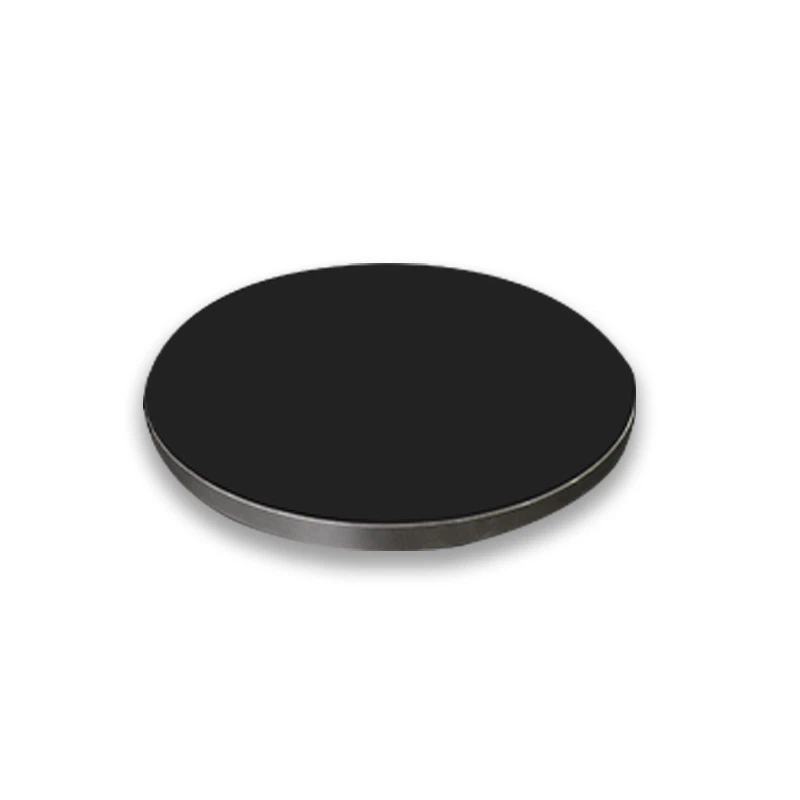
Polishing Plates are essential for providing a flat and even surface for polishing. They come in different materials and grits, allowing for a range of polishing finishes.
Glass Test Blocks can be used to check the flatness and smoothness of the polished parts. They are highly accurate and can help to ensure that the parts meet the required specifications.
Sample Loading Gauges are useful for controlling the pressure applied during the polishing process. This helps to achieve consistent and accurate results.

Conclusion
In conclusion, precision polishing jigs can be effectively used for polishing musical instrument parts. They offer customization, consistency, and precision, which are essential for producing high - quality musical instruments. By using these jigs, manufacturers can improve the sound quality, durability, and aesthetic appeal of their instruments. However, it is important to consider factors such as material compatibility, jig design, and the polishing process.
If you are in the musical instrument manufacturing industry and are looking for high - quality precision polishing jigs, I encourage you to get in touch with us. We have a team of experts who can help you select the right jigs and accessories for your specific needs. Let's work together to take your musical instrument manufacturing to the next level.
References
- Smith, J. (2018). Precision Manufacturing in the Musical Instrument Industry. Journal of Musical Instrument Technology, 25(3), 45 - 52.
- Johnson, R. (2019). The Impact of Polishing on Musical Instrument Performance. International Journal of Music Manufacturing, 12(2), 67 - 74.
- Brown, A. (2020). Advances in Precision Polishing Techniques. Manufacturing Review, 30(4), 89 - 96.


