

As a supplier of Cast Iron Test Blocks, I am often asked about the versatility and applications of our products. One common question that arises is whether Cast Iron Test Blocks can be used for testing the flatness of steel plates. In this blog post, I will explore this topic in detail, discussing the properties of Cast Iron Test Blocks, the requirements for testing steel plate flatness, and the practicalities of using these test blocks for this purpose.
Properties of Cast Iron Test Blocks
Cast Iron Test Blocks are renowned for their exceptional stability, durability, and high precision. These blocks are typically made from high-quality cast iron, which has a fine-grained structure and excellent damping characteristics. The fine-grained structure ensures that the surface of the test block is smooth and uniform, while the damping characteristics help to minimize vibrations during testing, providing accurate and reliable results.
One of the key properties of Cast Iron Test Blocks is their flatness. These blocks are machined to extremely tight tolerances, with flatness accuracies typically in the range of a few micrometers. This high level of flatness makes them ideal for use as reference surfaces in a variety of precision measurement and testing applications.
Another important property of Cast Iron Test Blocks is their hardness. Cast iron has a relatively high hardness, which makes the test blocks resistant to wear and deformation. This ensures that the test blocks maintain their accuracy and flatness over time, even with repeated use.
Requirements for Testing Steel Plate Flatness
Testing the flatness of steel plates is a critical quality control step in many industries, including manufacturing, construction, and automotive. The flatness of a steel plate can affect its performance in various applications, such as welding, machining, and assembly. Therefore, it is essential to use reliable and accurate methods to measure the flatness of steel plates.
The most common method for testing the flatness of steel plates is by using a straightedge or a precision gauge. A straightedge is a flat, rigid bar with a precisely machined edge. By placing the straightedge on the surface of the steel plate and observing the gap between the straightedge and the plate, it is possible to determine the flatness of the plate. Precision gauges, such as dial indicators or laser interferometers, can also be used to measure the flatness of steel plates with high accuracy.
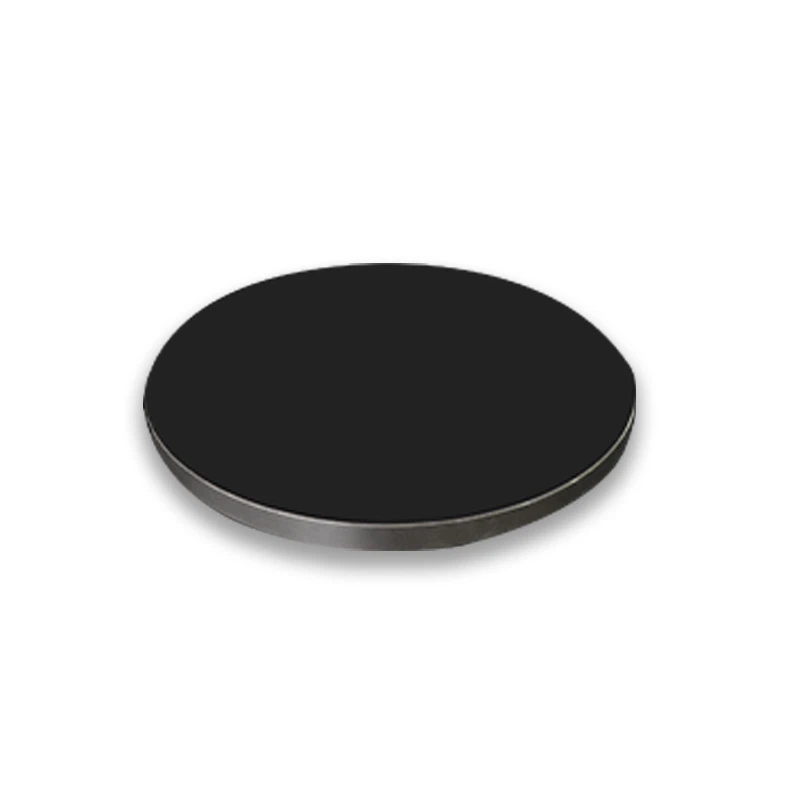

In addition to using a straightedge or a precision gauge, it is also important to have a reference surface that is known to be flat. This reference surface is used to compare the flatness of the steel plate and to ensure that the measurement is accurate. The reference surface should be made of a material that is stable, durable, and has a high level of flatness.
Using Cast Iron Test Blocks for Testing Steel Plate Flatness
Given the properties of Cast Iron Test Blocks and the requirements for testing steel plate flatness, it is clear that Cast Iron Test Blocks can be used effectively for this purpose. The high level of flatness and stability of the test blocks make them ideal for use as reference surfaces in the flatness testing of steel plates.
To use Cast Iron Test Blocks for testing the flatness of steel plates, the following steps can be followed:
- Select the appropriate test block: Choose a Cast Iron Test Block that is large enough to cover the area of the steel plate that needs to be tested. The test block should also have a flatness accuracy that is suitable for the required level of precision.
- Clean the test block and the steel plate: Before testing, it is important to clean the surface of the test block and the steel plate to remove any dirt, debris, or oil. This will ensure that the measurement is accurate and that there is no interference between the test block and the steel plate.
- Place the test block on the steel plate: Carefully place the test block on the surface of the steel plate, ensuring that it is in contact with the plate over the entire area of the test block. Use a level or a spirit level to ensure that the test block is horizontal.
- Measure the gap between the test block and the steel plate: Use a precision gauge, such as a dial indicator or a feeler gauge, to measure the gap between the test block and the steel plate at various points. Record the measurements and calculate the average gap to determine the flatness of the steel plate.
- Compare the results with the required specifications: Compare the measured flatness of the steel plate with the required specifications for the application. If the measured flatness is within the acceptable range, the steel plate can be considered to be flat. If the measured flatness is outside the acceptable range, the steel plate may need to be reworked or rejected.
Advantages of Using Cast Iron Test Blocks for Testing Steel Plate Flatness
There are several advantages to using Cast Iron Test Blocks for testing the flatness of steel plates. These advantages include:
- High accuracy: Cast Iron Test Blocks are machined to extremely tight tolerances, with flatness accuracies typically in the range of a few micrometers. This high level of accuracy ensures that the flatness measurement of the steel plate is reliable and precise.
- Stability: Cast iron has excellent stability and damping characteristics, which help to minimize vibrations during testing. This ensures that the measurement is not affected by external factors, such as machine vibrations or environmental noise.
- Durability: Cast Iron Test Blocks are made from high-quality cast iron, which is resistant to wear and deformation. This ensures that the test blocks maintain their accuracy and flatness over time, even with repeated use.
- Versatility: Cast Iron Test Blocks can be used for a variety of precision measurement and testing applications, not just for testing the flatness of steel plates. This makes them a cost-effective and versatile tool for quality control in many industries.
Other Applications of Cast Iron Test Blocks
In addition to testing the flatness of steel plates, Cast Iron Test Blocks have a wide range of other applications in various industries. Some of these applications include:
- Calibration of measuring instruments: Cast Iron Test Blocks can be used as reference standards for the calibration of measuring instruments, such as micrometers, calipers, and height gauges. By comparing the measurements of the instrument with the known dimensions of the test block, it is possible to ensure that the instrument is accurate and reliable.
- Testing the parallelism of machine parts: Cast Iron Test Blocks can be used to test the parallelism of machine parts, such as shafts, bearings, and guides. By placing the test block on the surface of the machine part and measuring the gap between the test block and the part at various points, it is possible to determine the parallelism of the part.
- Setting up machine tools: Cast Iron Test Blocks can be used to set up machine tools, such as milling machines, lathes, and grinding machines. By placing the test block on the worktable of the machine tool and using a precision gauge to align the tool with the test block, it is possible to ensure that the machine tool is set up accurately and that the workpiece is machined to the required dimensions.
- Quality control in manufacturing: Cast Iron Test Blocks can be used as part of a quality control program in manufacturing to ensure that the products meet the required specifications. By using the test blocks to test the flatness, parallelism, and other geometric characteristics of the products, it is possible to identify any defects or deviations from the specifications and take corrective action before the products are shipped to the customer.
Related Products
If you are interested in other products that can be used in conjunction with Cast Iron Test Blocks for precision measurement and testing, I recommend checking out the following products:
- Sample Loading Gauges: These gauges are used for accurately loading samples onto polishing plates and other lapping and polishing accessories. They ensure that the samples are loaded evenly and at the correct pressure, which is essential for achieving consistent and high-quality polishing results.
- Precision Polishing Jig: A precision polishing jig is a tool that is used to hold the samples in place during the polishing process. It ensures that the samples are polished evenly and that the surface finish is consistent. The precision polishing jig is designed to be easy to use and to provide accurate and repeatable results.
- Polishing Plates: Polishing plates are an essential part of the lapping and polishing process. They are used to provide a flat and smooth surface for the samples to be polished against. The polishing plates are available in a variety of materials and sizes to suit different applications and requirements.
Conclusion
In conclusion, Cast Iron Test Blocks can be used effectively for testing the flatness of steel plates. The high level of flatness, stability, and durability of the test blocks make them ideal for use as reference surfaces in the flatness testing of steel plates. By following the proper procedures and using the appropriate measuring tools, it is possible to obtain accurate and reliable results.
If you are in need of Cast Iron Test Blocks for your precision measurement and testing needs, please do not hesitate to contact me. I would be happy to discuss your requirements and provide you with a quote. Our Cast Iron Test Blocks are available in a variety of sizes and accuracies to suit your specific needs. We also offer a range of other precision measurement and testing products, such as Sample Loading Gauges, Precision Polishing Jig, and Polishing Plates.
References
- "Precision Measurement and Testing Handbook", John Wiley & Sons, Inc.
- "Materials Science and Engineering: An Introduction", John Wiley & Sons, Inc.
- "Manufacturing Engineering and Technology", Pearson Education, Inc.


