

Hey there! If you're in the market for cast iron test blocks, you've come to the right place. I'm a supplier of these nifty tools, and I'm here to help you figure out how to choose the right one for your needs.
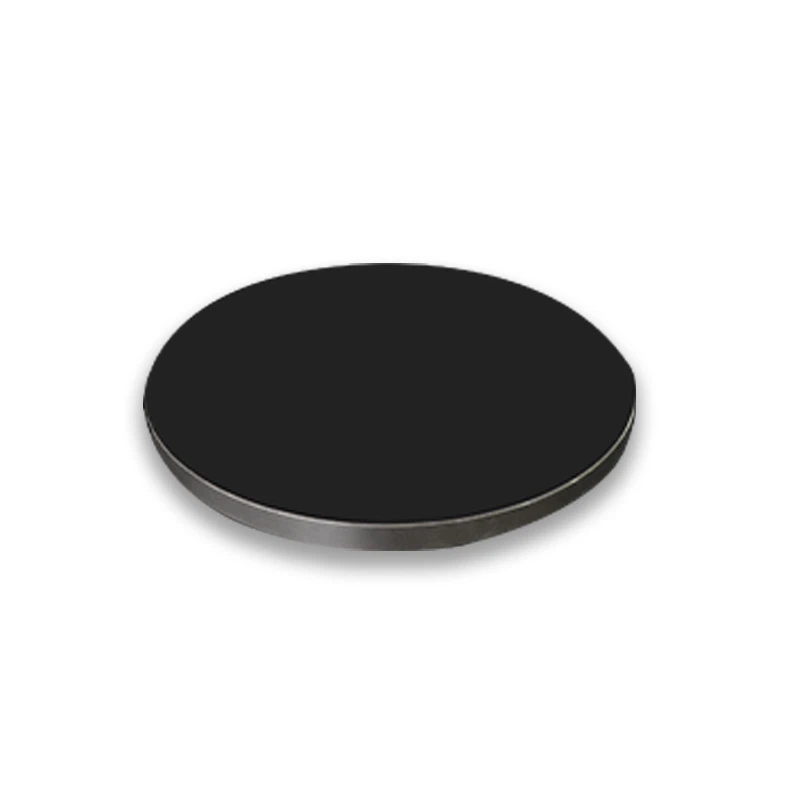
First off, let's talk about what cast iron test blocks are and why you might need them. Cast iron test blocks are precision-engineered blocks made from high-quality cast iron. They're used in a variety of industries, including manufacturing, engineering, and quality control, to calibrate measuring instruments, check the accuracy of machine tools, and ensure the quality of finished products.
Now, let's get into the nitty-gritty of choosing the right cast iron test block for you. There are a few key factors you need to consider, and I'll break them down for you one by one.
Size and Dimensions
The size and dimensions of the cast iron test block are crucial. You need to make sure the block is the right size for your specific application. If you're using it to calibrate a small measuring instrument, a smaller test block might be sufficient. On the other hand, if you're working with larger machine tools, you'll need a bigger block.
Think about the space you have available for the test block. You don't want it to be too big to fit on your workbench or too small to be useful. Also, consider the weight of the block. A heavier block might provide more stability, but it could also be more difficult to handle.
Accuracy and Precision
Accuracy and precision are non - negotiable when it comes to cast iron test blocks. You want a block that has a high degree of flatness, parallelism, and dimensional accuracy. The tolerances of the test block will determine how precise your measurements can be.
Look for test blocks that are manufactured to strict industry standards. These standards ensure that the block will perform as expected and provide reliable results. A block with tight tolerances might cost a bit more, but it's worth the investment if you need accurate measurements.
Surface Finish
The surface finish of the cast iron test block is another important factor. A smooth surface finish is essential for accurate measurements. Rough surfaces can cause errors in your readings and affect the performance of your measuring instruments.
Some test blocks come with a precision - polished surface. You can check out Precision Polishing Jig which can be used to achieve an even better surface finish if needed. A well - finished surface also helps to prevent wear and tear on the block and your measuring tools.
Material Quality
The quality of the cast iron used in the test block matters a lot. High - quality cast iron will be more durable and resistant to corrosion and wear. It will also hold its shape and dimensions over time, ensuring consistent performance.
Ask your supplier about the type of cast iron used in the test blocks. They should be able to provide you with information about the material's properties, such as its hardness and density. A good quality cast iron test block will last longer and save you money in the long run.

Application - Specific Requirements
Your specific application will also play a big role in choosing the right cast iron test block. For example, if you're working in a laboratory environment, you might need a test block that is resistant to chemicals and has a very high level of precision.
If you're in a manufacturing setting, you might need a block that can withstand heavy use and is easy to clean. Some applications might require test blocks with special features, like holes or grooves for mounting. Consider these requirements carefully before making a decision.
Compatibility with Measuring Instruments
Make sure the cast iron test block is compatible with your measuring instruments. Different instruments might have different requirements in terms of size, shape, and surface characteristics.
For example, if you're using a micrometer, you need a test block that is the right size and has a smooth enough surface for the micrometer to make accurate measurements. If you're not sure about the compatibility, consult with your measuring instrument manufacturer or your cast iron test block supplier.
Availability of Accessories
Some cast iron test blocks come with accessories that can enhance their functionality. For instance, Sample Loading Gauges can be useful for ensuring proper loading of samples during testing.
Polishing Plates can help maintain the surface finish of the test block. Check with your supplier to see what accessories are available and if they would be beneficial for your application.
Cost
Of course, cost is always a factor. You want to get the best value for your money. While it's tempting to go for the cheapest option, remember that quality is important. A low - cost test block might not meet your accuracy requirements or might not last as long.
Compare prices from different suppliers, but also consider the long - term costs. A more expensive but high - quality test block could save you money in the long run by reducing the need for replacements and providing more accurate measurements.
Supplier Reputation
The reputation of the supplier is crucial. You want to work with a supplier who has a good track record of providing high - quality products and excellent customer service.
Look for reviews and testimonials from other customers. A reliable supplier will be able to answer your questions, provide technical support, and offer after - sales service. They should also be able to provide you with detailed information about the test blocks, including their manufacturing process and quality control measures.
Conclusion
Choosing the right cast iron test block for your needs isn't as simple as it might seem at first. You need to consider a variety of factors, from size and accuracy to cost and supplier reputation. By taking the time to think about these factors and doing your research, you can make an informed decision that will meet your requirements and give you reliable results.
If you're still not sure which cast iron test block is right for you, don't hesitate to reach out. As a supplier, I'm here to help you navigate through the options and find the perfect fit for your application. Contact me to start a conversation about your needs, and we can work together to get you the best cast iron test block for your project.
References
- Industry standards for cast iron test blocks
- Manufacturer's specifications for measuring instruments
- Customer reviews and testimonials for cast iron test block suppliers


