

Hey there! As a supplier of Cast Iron Test Blocks, I've seen firsthand how quickly these useful tools can start to rust if not properly cared for. Rust not only makes the blocks look bad but can also affect their accuracy and durability. So, in this blog, I'm gonna share some tips on how to prevent Cast Iron Test Blocks from rusting.
Understanding Why Cast Iron Rusts
Before we dive into the prevention methods, let's quickly understand why cast iron rusts. Cast iron is made mainly of iron, and when iron comes into contact with oxygen and moisture, a chemical reaction occurs. This reaction forms iron oxide, which we know as rust. It's a natural process, but we can slow it down or stop it altogether with the right steps.
Keep 'Em Clean
The first step in preventing rust is to keep your Cast Iron Test Blocks clean. After each use, wipe them down with a clean, dry cloth. This helps remove any dirt, debris, or moisture that might be on the surface. If there's some stubborn dirt or residue, you can use a mild soap and water solution. Just make sure to dry the blocks thoroughly afterward. You don't want any water left on the surface to start the rusting process.
Apply a Protective Coating
One of the most effective ways to prevent rust is by applying a protective coating to the Cast Iron Test Blocks. There are several options available.
Oil
Oil is a classic choice. You can use machine oil, mineral oil, or even WD - 40. Apply a thin layer of oil to the entire surface of the block. Make sure to get into all the nooks and crannies. The oil creates a barrier between the iron and the oxygen and moisture in the air. After applying the oil, wipe off any excess with a clean cloth. This not only protects the block but also gives it a nice, smooth finish.
Wax
Wax is another good option. You can use a commercial wax or even car wax. Apply the wax in the same way as the oil, using a clean cloth to spread it evenly over the block. Wax provides a long - lasting protective layer that can keep the rust at bay for a long time.
Store 'Em Right
Proper storage is crucial in preventing rust. Here are some storage tips:
Dry Environment
Store your Cast Iron Test Blocks in a dry place. Avoid areas with high humidity, like basements or bathrooms. If you don't have a dry storage area, you can use a dehumidifier to reduce the moisture in the air.
Elevated Storage
Don't let the blocks sit directly on the floor or a damp surface. Use a shelf or a rack to keep them elevated. This allows air to circulate around the blocks and helps prevent moisture from collecting on the bottom.

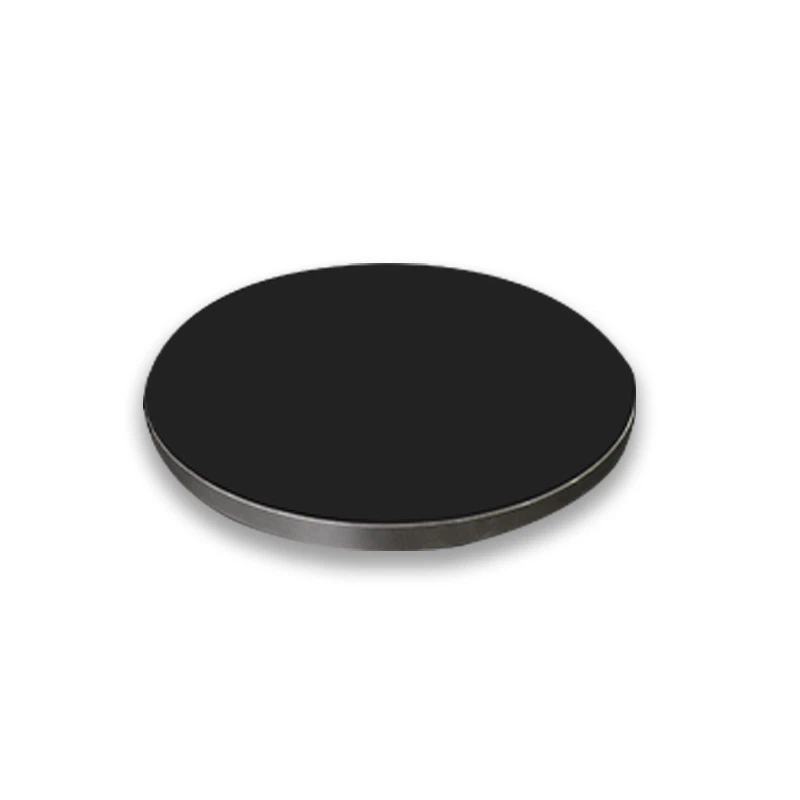
Cover Them
If possible, cover the blocks when they're in storage. You can use a plastic cover or a cloth bag. This helps protect them from dust and also reduces the chances of moisture getting to them.
Regular Inspections
Make it a habit to inspect your Cast Iron Test Blocks regularly. Check for any signs of rust, such as discoloration or small spots. If you catch rust early, you can usually remove it easily and prevent it from spreading. You can use a wire brush or sandpaper to gently remove the rust. After removing the rust, make sure to clean the area and apply a new protective coating.
Other Related Products
By the way, if you're also interested in other related products, check out our Glass Test Blocks and Polishing Plates. These products are great for lapping and polishing applications and can complement your Cast Iron Test Blocks nicely.
Conclusion
Preventing rust on Cast Iron Test Blocks is all about keeping them clean, applying a protective coating, storing them properly, and doing regular inspections. By following these simple steps, you can ensure that your Cast Iron Test Blocks stay in top condition for a long time.
If you're in the market for high - quality Cast Iron Test Blocks or have any questions about rust prevention, feel free to reach out. We're always here to help you make the best choice for your needs. Check out our Cast Iron Test Blocks and start protecting your investment today.
References
- "Metallurgy for Dummies" by John D. Murphy. This book provides a great overview of the properties of cast iron and how it reacts with the environment.
- Various industry blogs and forums where professionals share their experiences and tips on maintaining cast iron tools.


