

In the realm of industrial applications and specialized manufacturing processes, wax liquid has emerged as an indispensable material. As a proud supplier of high - quality wax liquid, I've witnessed firsthand the transformative impact it has on various industries. In this blog, I'll delve into the numerous benefits of using wax liquid, exploring how it enhances efficiency, quality, and cost - effectiveness in different scenarios.
1. Excellent Adhesive Properties
One of the most significant advantages of wax liquid is its outstanding adhesive capabilities. Whether you're working in the precision machining, optics, or electronics industries, the ability to securely bond components is crucial. Wax liquid can create a strong and reliable bond between different materials, such as glass, metal, and ceramics.
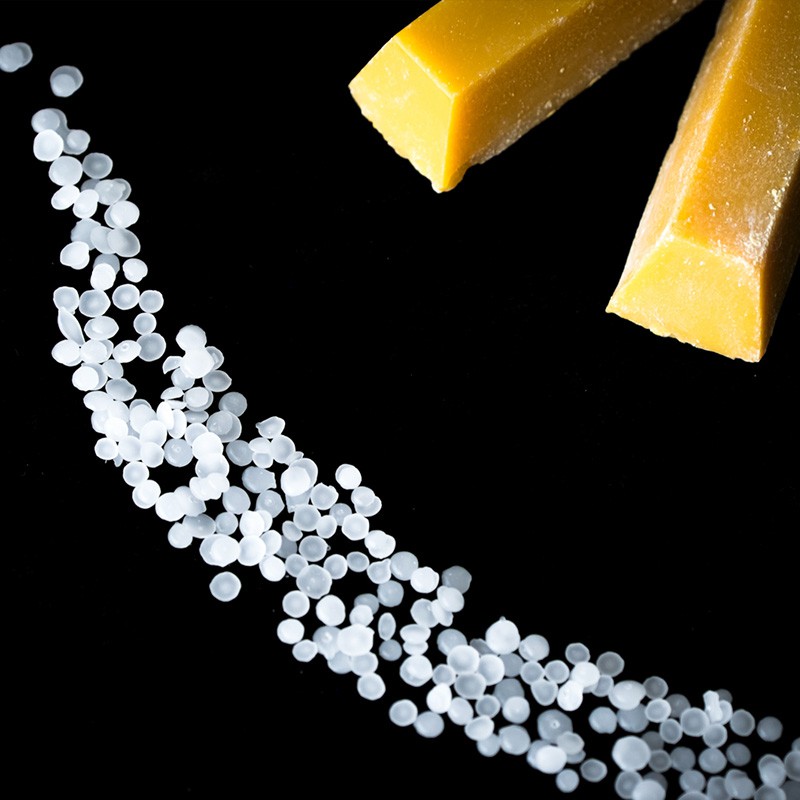

For instance, in the manufacturing of optical lenses, wax liquid is used to hold the lens blanks in place during the grinding and polishing processes. The wax provides a stable mounting that ensures the lens is precisely shaped and polished to the required specifications. Our Quartz Wax is specifically formulated to offer excellent adhesion to quartz and other hard materials, making it an ideal choice for high - precision optical applications.
In electronics manufacturing, wax liquid can be used to bond delicate components onto circuit boards. The adhesive strength of the wax helps to prevent components from shifting or coming loose during assembly, soldering, and subsequent handling. This results in more reliable electronic devices with fewer defects and longer lifespans.
2. Temperature Resistance
Wax liquid often exhibits remarkable temperature resistance, which is a critical property in many industrial processes. Some waxes can withstand high temperatures without melting or losing their adhesive properties, while others are designed to have a specific melting point for easy removal or re - positioning of components.
Our High Melting Point Thin Film Bonding Wax is engineered to maintain its integrity at elevated temperatures. This makes it suitable for applications where components are exposed to heat during processing, such as in semiconductor manufacturing. During the thin - film deposition process, the high - melting - point wax holds the substrate firmly in place, ensuring uniform deposition and high - quality thin - film formation.
On the other hand, waxes with lower melting points can be used when easy removal of the bond is required. For example, in the lapping and polishing of small parts, a wax with a relatively low melting point can be used to hold the parts in place. After the processing is complete, the parts can be easily separated from the fixture by heating the wax to its melting point, without causing any damage to the parts.
3. Chemical Inertness
Many wax liquids are chemically inert, which means they do not react with other substances in the manufacturing environment. This property is particularly important in industries where the presence of reactive chemicals can cause corrosion, contamination, or other forms of damage to components.
In the chemical processing industry, wax - bonded fixtures can be used to hold parts during chemical etching or plating processes. The chemical inertness of the wax ensures that it does not interfere with the chemical reactions taking place, and it also protects the parts from unwanted chemical attacks. Our wax liquids are carefully formulated to be resistant to a wide range of chemicals, including acids, bases, and solvents, providing a reliable and long - lasting bonding solution in harsh chemical environments.
4. Easy Application and Removal
Wax liquid is relatively easy to apply and remove, which is a major advantage in terms of efficiency and productivity. It can be applied using simple techniques such as brushing, dipping, or spraying, depending on the specific requirements of the application.
When applying wax liquid, it can quickly spread evenly over the surface to be bonded, forming a thin and uniform layer. This ensures consistent adhesion and a strong bond. After the processing is complete, removing the wax is also straightforward. As mentioned earlier, waxes with different melting points can be selected based on the ease of removal. For low - melting - point waxes, heating the bonded parts gently can cause the wax to melt, and it can then be easily wiped or washed away.
In the lapping and polishing industry, the ease of application and removal of our Thin Film Bonding Wax allows for quick turnaround times between different processing steps. Operators can efficiently bond and debond parts, increasing the overall productivity of the manufacturing process.
5. Cost - Effectiveness
Using wax liquid can lead to significant cost savings in the long run. Its excellent adhesive properties and temperature resistance mean that it can replace more expensive bonding methods or materials in many applications. For example, in some cases, mechanical fasteners or expensive adhesives can be substituted with wax liquid, reducing the material and labor costs associated with their installation.
The ease of application and removal of wax liquid also contributes to cost - effectiveness. Since it can be applied quickly and removed without complex procedures, the time and labor required for bonding and debonding operations are minimized. This results in higher productivity and lower production costs per unit.
6. Versatility
Wax liquid is a highly versatile material that can be used in a wide range of industries and applications. From the aerospace industry, where it can be used to bond lightweight composite materials, to the jewelry industry, where it can hold gemstones in place during setting, the possibilities are endless.
In the automotive industry, wax liquid can be used for bonding interior components, such as dashboard panels and trim pieces. Its ability to bond different materials together and its resistance to temperature and vibration make it a reliable choice for automotive applications.
In the medical device manufacturing industry, wax liquid can be used to bond small, delicate components in medical instruments. Its chemical inertness ensures that it does not contaminate the medical devices, and its easy removal allows for proper cleaning and sterilization.
Conclusion
The benefits of using wax liquid are numerous and far - reaching. Its excellent adhesive properties, temperature resistance, chemical inertness, easy application and removal, cost - effectiveness, and versatility make it an ideal choice for a wide variety of industrial applications. Whether you're in the precision machining, optics, electronics, chemical processing, or any other industry, wax liquid can help you improve the quality of your products, increase efficiency, and reduce costs.
If you're interested in exploring the potential of our wax liquid products for your specific application, I encourage you to reach out to us for a detailed discussion. We have a team of experts who can provide you with technical support and guidance to ensure that you select the right wax liquid for your needs. Let's start a conversation about how our wax liquid can enhance your manufacturing processes and take your products to the next level.
References
- "Industrial Adhesives: Principles and Practice" by David A. Dillard
- "Materials Science and Engineering: An Introduction" by William D. Callister Jr. and David G. Rethwisch
- Technical literature provided by leading wax liquid manufacturers


