

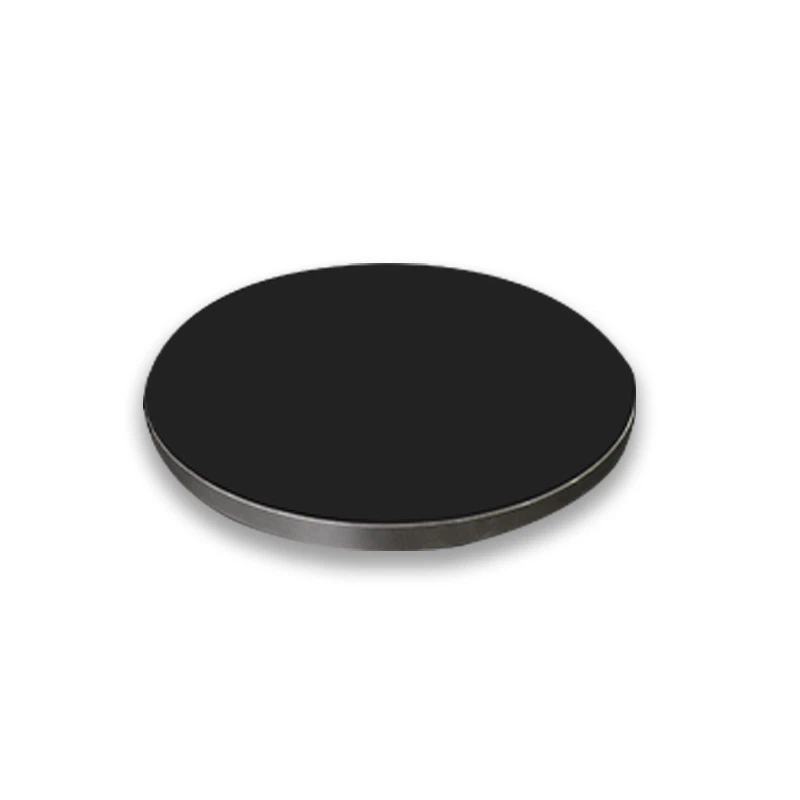
Hey there! I'm a supplier of Polishing Plates, and today I wanna chat about something super important: the effects of water on polished plates. It might seem like a small thing, but water can have a huge impact on how our polishing plates work and the quality of the finish they provide.
First off, let's talk about the basics. Water is a common coolant and lubricant in the polishing process. When we're using Polishing Plates, we often add water to the mix. Why? Well, for starters, it helps to keep the temperature down. Polishing generates a lot of heat, and if the temperature gets too high, it can damage the polishing plate and the material being polished. Water acts as a coolant, absorbing the heat and preventing overheating.
Another reason we use water is for lubrication. It reduces friction between the polishing plate and the sample, allowing for a smoother and more even polishing process. This is especially important when we're dealing with delicate materials or when we need a high - quality finish. Without proper lubrication, the polishing plate can scratch or damage the sample, leading to a less than perfect result.
But water isn't all sunshine and rainbows. There are some negative effects that we need to be aware of. One of the biggest issues is corrosion. If the polishing plates are made of metal or have metal components, water can cause them to rust over time. Rust not only looks bad but can also affect the performance of the plate. It can change the surface texture, making it less effective at polishing. And if the rust spreads, it can even cause the plate to break down completely.
To combat corrosion, we can use anti - rust coatings on our Polishing Plates. These coatings act as a barrier between the metal and the water, preventing rust from forming. However, these coatings need to be reapplied regularly, especially if the plates are used frequently.
Another problem with water is contamination. If the water we use contains impurities like dirt, minerals, or chemicals, it can transfer these contaminants to the polishing plate and the sample. This can lead to a poor finish and can even damage the sample. To avoid this, we should use distilled or deionized water, which has a much lower level of impurities.
Now, let's talk about how water affects the abrasive particles on the polishing plate. Water can help to keep the abrasive particles in suspension, which means they're evenly distributed across the surface of the plate. This is important because it ensures that the polishing is uniform. If the abrasive particles settle at the bottom, the polishing will be uneven, with some areas getting more attention than others.
On the other hand, too much water can cause the abrasive particles to wash away. This reduces the effectiveness of the polishing plate, as there are fewer particles available to do the work. We need to find the right balance of water to keep the particles in suspension without washing them away.
In some cases, water can also react with the abrasive particles. For example, if the abrasive is a type of oxide, water can cause it to hydrolyze. This changes the chemical composition of the abrasive, which can affect its polishing ability. We need to choose the right combination of abrasive and water to avoid these chemical reactions.
When it comes to different types of polishing plates, water can have different effects. For example, Diamond Lapping Plates are very hard and durable. Water can help to cool and lubricate the diamond particles, but it also needs to be carefully monitored. If the water is too acidic or alkaline, it can damage the diamond coating.
Sample Loading Gauges are another important part of the polishing process. Water can affect their accuracy. If the gauges get wet, it can cause them to malfunction or give inaccurate readings. We need to make sure that these gauges are kept dry or are made from materials that are resistant to water damage.
So, how do we manage the effects of water on our polishing plates? First, we need to have a good understanding of the properties of the plates and the materials we're polishing. This will help us to choose the right amount of water and the right type of water. We also need to have a regular maintenance schedule for our plates. This includes cleaning them properly after each use and checking for signs of corrosion or damage.
If you're in the market for high - quality Polishing Plates, Diamond Lapping Plates, or Sample Loading Gauges, I'd love to have a chat with you. Whether you're a small - scale hobbyist or a large - scale industrial user, we've got the products to meet your needs. Contact us to start a conversation about your polishing requirements and how we can help you achieve the best results.
References

- "Handbook of Polishing Technology"
- "Surface Finishing and Polishing: Principles and Applications"
- Industry research reports on polishing plate materials and water effects


