

Vibration is a common yet often underestimated issue when it comes to precision polishing jigs. As a supplier of precision polishing jigs, I've seen firsthand how vibrations can throw a wrench into the works and cause all sorts of headaches for our customers. In this blog, I'm gonna dive deep into the vibration - related issues with precision polishing jigs, and why it's so crucial to address them.
First off, let's talk about what a precision polishing jig is. It's a specialized tool that holds the workpiece in place during the polishing process. The goal is to ensure consistent and accurate polishing, so the final product meets the high - end quality standards. But when vibrations come into play, this goal can quickly go out the window.
One of the most obvious problems caused by vibrations is surface finish irregularities. During the polishing process, even the slightest vibration can cause the polishing tool to deviate from its intended path. This leads to uneven pressure being applied to the workpiece. As a result, you might end up with a surface that has wavy patterns, scratches, or inconsistent smoothness. For industries that demand mirror - like finishes, such as the optics or semiconductor sectors, these surface defects are a deal - breaker. No one wants to use a lens with wavy surfaces or a semiconductor component with uneven finishes. It can affect the performance of the end - product and lead to costly rework or even product failure.
Another major issue is dimensional inaccuracy. Precision polishing jigs are designed to maintain tight tolerances. However, vibrations can cause the workpiece to move slightly during polishing. This movement can result in the final dimensions of the workpiece being off from the desired specifications. In industries where precision is key, like aerospace or medical device manufacturing, even a tiny deviation in dimensions can have serious consequences. For example, in aerospace, a part that's even a fraction of a millimeter off can compromise the safety and performance of an aircraft. In medical devices, inaccurate dimensions can lead to improper fit or function, endangering patients' lives.
Vibrations can also take a toll on the longevity of the precision polishing jig itself. The constant shaking and movement put extra stress on the components of the jig. Over time, this can lead to wear and tear on the joints, fasteners, and other parts. You might start to notice loose parts, misalignments, or even structural damage. When the jig starts to deteriorate, it not only affects the quality of the polishing but also increases the risk of breakdowns. And let's face it, unexpected breakdowns mean downtime, which translates into lost productivity and increased costs.

Now, what are the sources of these vibrations? Well, there are several. One common source is the polishing machine itself. If the machine is not properly balanced or if its motor is malfunctioning, it can generate vibrations that are transferred to the jig. Another source is the environment. For example, if the polishing operation is taking place in a factory where there are other heavy - duty machines running nearby, the vibrations from those machines can be transmitted through the floor and into the polishing jig. Additionally, the way the workpiece is loaded into the jig can also cause vibrations. If the workpiece is not securely fastened or if there's an imbalance in the weight distribution, it can lead to unwanted vibrations during the polishing process.
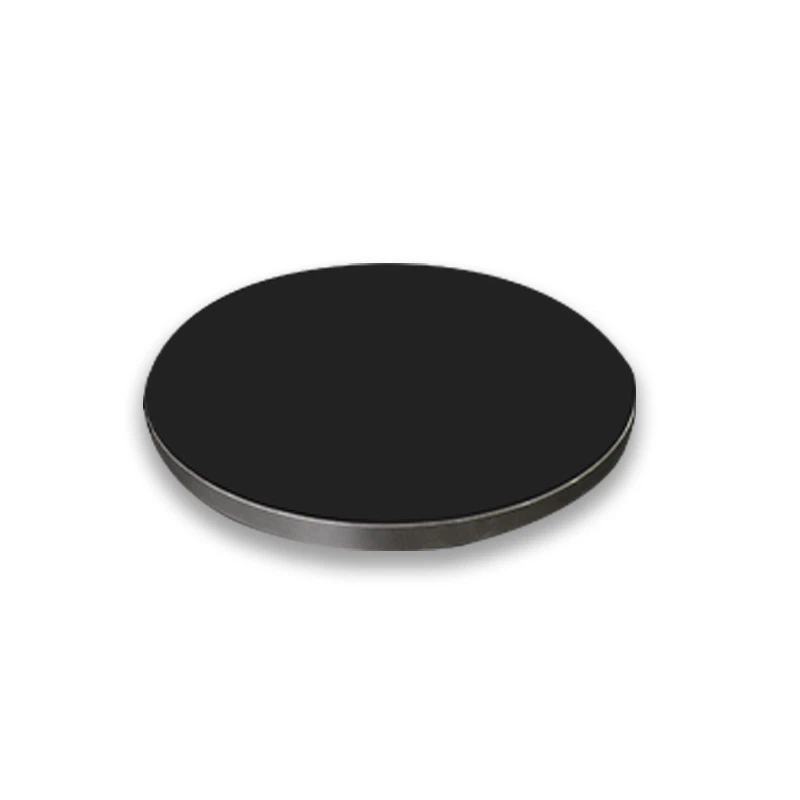
So, how can we deal with these vibration - related issues? One approach is to invest in high - quality components. For example, using Cast Iron Test Blocks can help with ensuring the stability of the setup. These blocks are made of high - density cast iron, which has good vibration - damping properties. They can absorb some of the vibrations and prevent them from being transferred to the workpiece. Similarly, Polishing Plates and Diamond Lapping Plates that are well - designed and manufactured can also contribute to reducing vibrations. High - quality plates are more likely to have a uniform surface and better balance, which helps in minimizing vibrations during the polishing process.
Proper maintenance of the polishing machine and the jig is also crucial. Regularly checking and adjusting the machine's balance, lubricating the moving parts, and tightening any loose fasteners can go a long way in reducing vibrations. It's also important to make sure the environment where the polishing is taking place is as vibration - free as possible. This might involve isolating the polishing machine from other noisy equipment or using vibration - dampening pads under the machine.
When it comes to loading the workpiece, taking the time to ensure it's properly centered and securely fastened is essential. Using fixtures or clamps that are specifically designed for the workpiece can help in achieving a more stable setup. And don't forget about the importance of operator training. A well - trained operator knows how to handle the equipment properly, which can also contribute to reducing vibrations.
In conclusion, vibration - related issues with precision polishing jigs are a significant concern that can have a major impact on the quality of the final product, the longevity of the jig, and the overall productivity of the polishing process. But by understanding the sources of vibrations and taking proactive steps to address them, such as using high - quality components, proper maintenance, and good operator practices, we can minimize these issues.
If you're in the market for precision polishing jigs or related accessories, I encourage you to reach out. We're here to help you find the best solutions for your polishing needs. Whether you're dealing with vibration issues or just looking to improve your polishing process, our team of experts can offer you valuable advice and top - notch products. So, don't hesitate to contact us for more information and to start a productive discussion about your requirements.
References

- Precision Engineering Handbook. Various authors. A comprehensive guide on precision engineering techniques and the impact of vibrations on manufacturing processes.
- Journal of Manufacturing Science and Engineering. Articles related to the effects of vibrations in precision machining and polishing operations.


