

Hey there! As a supplier of Diamond Test Blocks, I often get asked about the materials used in these nifty little things. So, I thought I'd take a few minutes to break it down for you.
Let's start with the basics. Diamond Test Blocks are used to test the performance of cutting tools, especially those that work with hard materials like ceramics, glass, and of course, diamonds. They're like the ultimate quality control tool in the manufacturing world. But what goes into making them?
The Core Material: High - Grade Steel
The base material of most Diamond Test Blocks is high - grade steel. This steel is chosen for its strength and durability. It can withstand the high pressures and forces that occur during the testing process. High - grade steel has excellent wear resistance, which means the test block won't wear out quickly, even after multiple uses.
There are different types of high - grade steel, such as tool steel and stainless steel. Tool steel is known for its high hardness and ability to hold an edge. It's often heat - treated to further enhance its properties. Stainless steel, on the other hand, is resistant to corrosion. This is important because test blocks are sometimes used in environments where they might come into contact with moisture or chemicals.
The Diamond Component
Of course, the most important part of a Diamond Test Block is the diamond itself. The diamonds used in these blocks are synthetic diamonds. Synthetic diamonds are created in a laboratory under high - pressure, high - temperature conditions. They have the same physical and chemical properties as natural diamonds but are more cost - effective and can be produced with consistent quality.
The diamonds are usually in the form of diamond powder or small diamond particles. These are bonded to the surface of the steel base. The bonding process is crucial as it determines how well the diamonds will stay in place during testing. There are different bonding methods, such as metal bonding and resin bonding.
Metal bonding involves using a metal alloy to hold the diamonds in place. This type of bonding is very strong and can withstand high - speed cutting and grinding. Resin bonding, on the other hand, is more flexible. It's often used when a smoother finish is required during testing.
Other Materials for Bonding and Coating
In addition to the steel base and the diamonds, there are other materials used in the manufacturing of Diamond Test Blocks. For example, there are bonding agents that help to attach the diamonds to the steel. These bonding agents can be made of various materials, including polymers and ceramics.
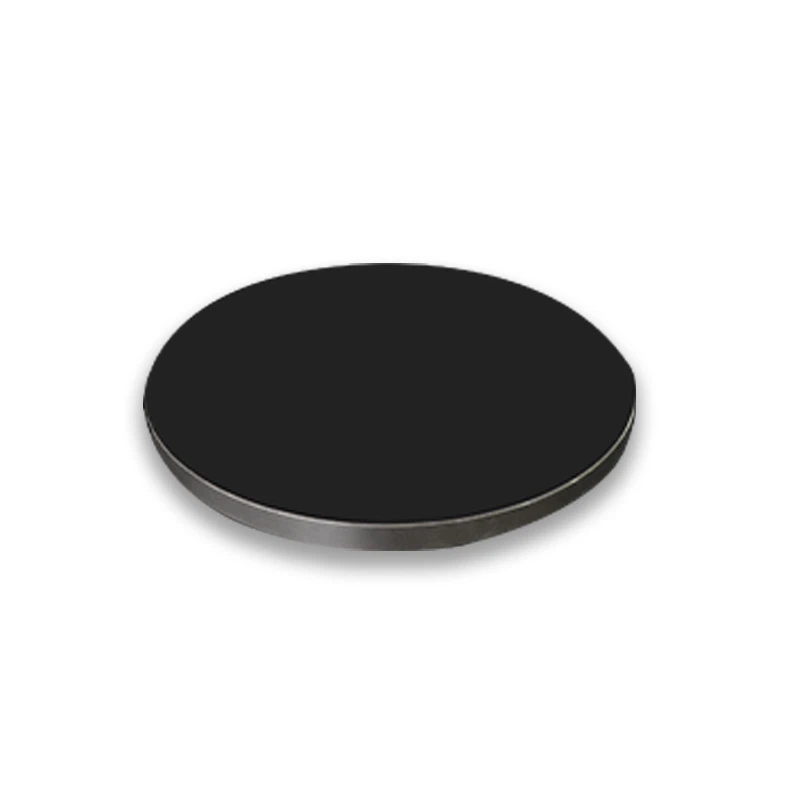

Some test blocks also have a coating on the surface. This coating can serve several purposes. It can protect the diamonds from damage, reduce friction during testing, and improve the overall performance of the test block. Coatings can be made of materials like titanium nitride or diamond - like carbon.
Why These Materials Matter
You might be wondering why it's so important to use these specific materials. Well, the quality of the materials directly affects the performance of the Diamond Test Block. If the steel base is not strong enough, it might deform during testing, which will give inaccurate results. Similarly, if the diamonds are not properly bonded, they might fall off, rendering the test block useless.
Using high - quality materials also ensures the longevity of the test block. As a supplier, I know that my customers want a product that will last. By using the best materials available, I can provide them with Diamond Test Blocks that can be used for a long time without losing their effectiveness.
Related Products
If you're in the market for Diamond Test Blocks, you might also be interested in some related products. For example, Diamond Lapping Plates are used for precision lapping and polishing of hard materials. They work well in conjunction with Diamond Test Blocks to ensure the highest level of quality control.
Another useful product is the Precision Polishing Jig. This jig helps to hold the workpiece in place during the polishing process, ensuring a consistent and accurate finish. And don't forget about Polishing Plates, which are essential for achieving a smooth and shiny surface on your workpieces.
Contact Us for Purchasing
If you're interested in purchasing Diamond Test Blocks or any of the related products I mentioned, I'd love to hear from you. Whether you're a small - scale manufacturer or a large industrial company, we can provide you with the right products to meet your needs. Just reach out, and we can start a conversation about your specific requirements.
References
- Smith, J. (2020). "Materials Science for Manufacturing Tools". Industrial Press.
- Brown, A. (2019). "Synthetic Diamonds: Production and Applications". Journal of Applied Materials.


