

Hey there! As a supplier of Cast Iron Test Blocks, I'm super stoked to share with you all the nitty - gritty details about the materials used to make these nifty little things.
First off, let's talk about the star of the show: cast iron. Cast iron is an alloy mainly composed of iron, carbon, and silicon. The carbon content in cast iron usually ranges from 2% to 4%, which is significantly higher compared to other forms of iron like steel. This high carbon content gives cast iron its unique properties, making it an ideal material for test blocks.
The most common types of cast iron used in making test blocks are gray cast iron, white cast iron, and ductile cast iron.
Gray cast iron is by far the most popular choice. It gets its name from the gray color of its fracture surface. This is due to the presence of graphite flakes in its microstructure. Graphite has a lubricating effect, which gives gray cast iron excellent machinability. When we're making Cast Iron Test Blocks, being able to machine the material easily is a huge plus. We can shape the blocks precisely to meet different specifications. Gray cast iron also has good damping capacity, which means it can absorb vibrations. This is crucial for test blocks because it helps to ensure stable and accurate measurements during testing. You can check out more about our Cast Iron Test Blocks on our website.

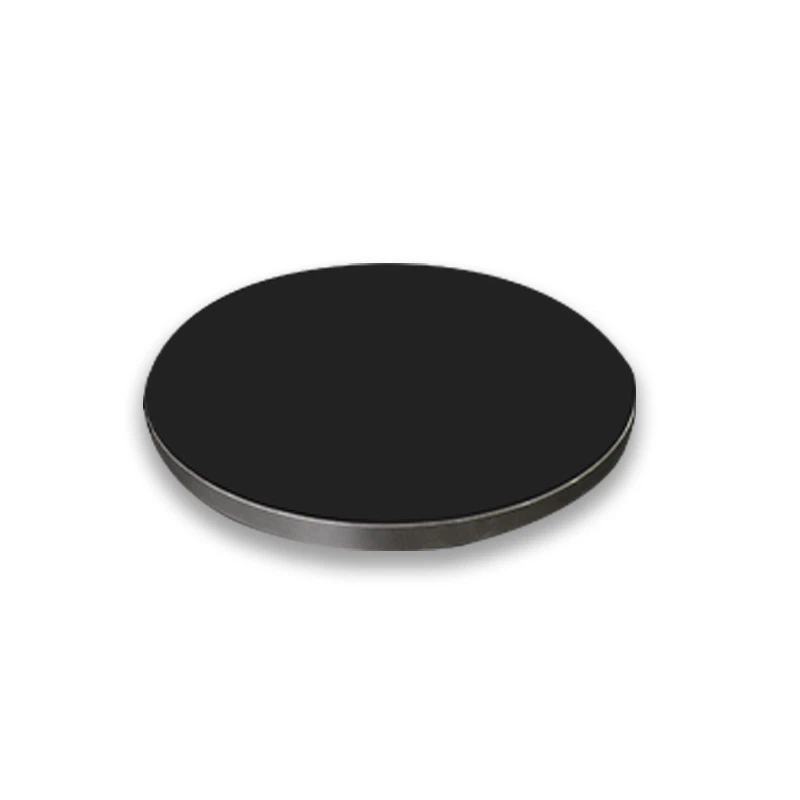
White cast iron, on the other hand, has a white - colored fracture surface. It contains cementite, a very hard and brittle iron - carbide compound. White cast iron is extremely hard and wear - resistant. While it's not as commonly used for standard test blocks as gray cast iron, it can be used in applications where high wear resistance is required. For example, in some industrial environments where the test blocks are subject to a lot of abrasion, white cast iron test blocks can stand up to the challenge better.
Ductile cast iron, also known as nodular cast iron, has graphite in the form of nodules rather than flakes. This gives it much better ductility and toughness compared to gray and white cast iron. Ductile cast iron test blocks can withstand more impact without cracking. They are often used in situations where the test blocks might be handled roughly or where there are dynamic loading conditions.
But it's not just about the main components. There are also other elements that are added to the cast iron to enhance its properties. For instance, manganese is often added. Manganese helps to combine with sulfur in the cast iron. Sulfur can form iron sulfide, which is brittle and can reduce the quality of the cast iron. By reacting with sulfur, manganese improves the strength and ductility of the cast iron.
Phosphorus is another element that can be present in small amounts. In small doses, phosphorus can improve the fluidity of the molten cast iron during the casting process. This makes it easier to fill the molds and create complex shapes for the test blocks. However, too much phosphorus can make the cast iron brittle, so it has to be carefully controlled.
Now, let's talk about the manufacturing process a bit. Once the right combination of materials is selected, the cast iron is melted in a furnace. The temperature has to be carefully controlled to ensure that all the elements are properly mixed and the desired microstructure is achieved. After melting, the molten cast iron is poured into molds. These molds are designed to give the test blocks their specific shapes and sizes.
After casting, the test blocks go through a series of finishing processes. One important step is lapping. We use Diamond Lapping Plates to achieve a very smooth and flat surface on the test blocks. Diamond lapping plates are extremely effective because the diamond particles on the plate can remove small amounts of material from the surface of the test block, leaving it with a high - precision finish.
Polishing is also a crucial step. We use Polishing Plates to further refine the surface of the test blocks. A polished surface not only looks better but also improves the accuracy of measurements. When the test blocks are used for calibration or comparison purposes, a smooth and polished surface ensures that the contact with other measuring instruments is consistent.
As a supplier of Cast Iron Test Blocks, we take great pride in the quality of our products. We source the best raw materials and use the latest manufacturing techniques to ensure that our test blocks meet the highest standards. Whether you need test blocks for a small - scale laboratory or a large - scale industrial application, we've got you covered.
If you're in the market for high - quality Cast Iron Test Blocks, we'd love to hear from you. Whether you have questions about the materials, the manufacturing process, or just want to get a quote, don't hesitate to reach out. We're here to help you find the perfect test blocks for your needs.
References:
- "The Science of Cast Iron" by Metallurgy Press
- "Manufacturing Processes for Cast Iron Products" by Industrial Manufacturing Journal


