

Can Quartz Wax be used on painted surfaces?
As a supplier of Quartz Wax, I often receive inquiries from customers regarding the suitability of our product for painted surfaces. This is a crucial question, as using the wrong wax on painted areas can lead to damage or sub - optimal results. In this blog post, I will delve into the scientific aspects and practical considerations to help you understand whether Quartz Wax can be used on painted surfaces.
Understanding Quartz Wax
Quartz Wax is a high - performance wax that offers several unique properties. It is formulated with advanced polymers and natural wax components. The polymers provide a strong and durable protective layer, while the natural waxes give it a smooth and shiny finish. Quartz Wax typically has excellent water - repellency, UV resistance, and scratch - resistance properties. These features make it a popular choice for protecting various surfaces, including automotive exteriors, furniture, and industrial equipment.
The high melting point of Quartz Wax is one of its key characteristics. This allows it to withstand high temperatures without losing its protective qualities. For instance, in automotive applications, where the car's surface can be exposed to direct sunlight for long periods, the high melting point ensures that the wax remains intact and continues to protect the paint. You can learn more about high - performance waxes like our High Melting Point Thin Film Bonding Wax, which shares some similar properties with Quartz Wax in terms of durability and heat resistance.
Compatibility with Painted Surfaces
When it comes to using Quartz Wax on painted surfaces, the first thing to consider is the type of paint. There are different types of paints, such as enamel, acrylic, and urethane paints. Most modern automotive and household paints are urethane - based, which are known for their durability and resistance to chemicals.
Quartz Wax is generally compatible with urethane - based paints. The wax forms a chemical bond with the paint molecules, creating a protective barrier that helps to prevent oxidation, fading, and water spots. The polymers in the wax fill in the microscopic pores on the paint surface, making it smoother and more resistant to dirt and grime.
However, for older enamel paints, the situation might be a bit different. Enamel paints are less chemically resistant compared to urethane paints. In some cases, the chemicals in the Quartz Wax might react with the enamel paint, causing discoloration or a dull appearance. Before applying Quartz Wax on an enamel - painted surface, it is advisable to test it on a small, inconspicuous area first.
Benefits of Using Quartz Wax on Painted Surfaces
If used correctly on compatible painted surfaces, Quartz Wax offers numerous benefits.
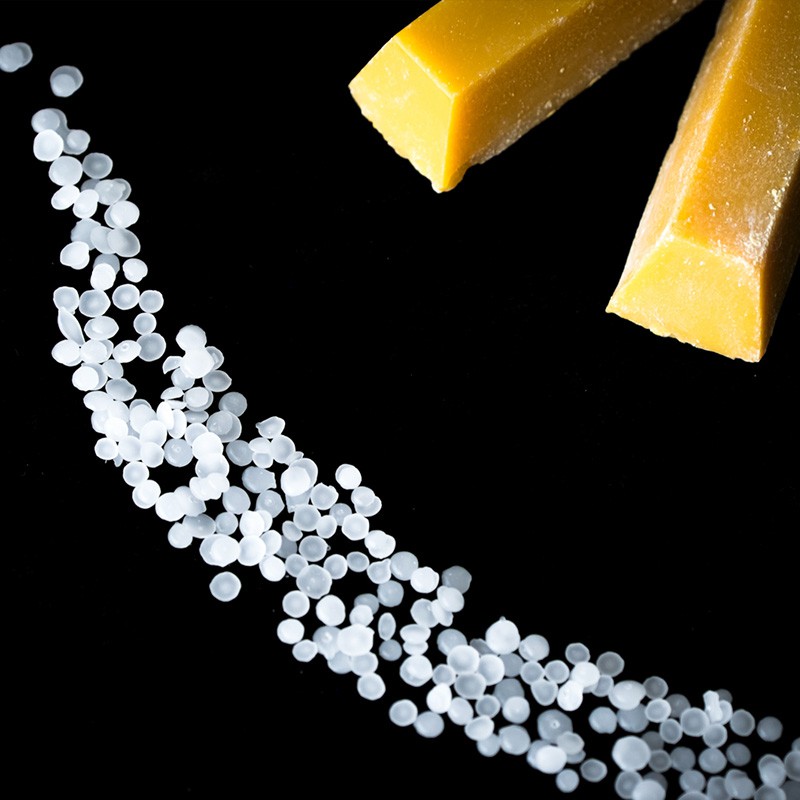

- Enhanced Gloss and Shine: Quartz Wax gives the painted surface a deep, wet - look gloss. It reflects light more evenly, making the paint look more vibrant and new. This is especially important for automotive enthusiasts who want their cars to stand out.
- Protection from the Elements: The wax acts as a shield against UV rays, which can cause the paint to fade over time. It also protects the paint from acid rain, bird droppings, and other environmental contaminants that can etch into the paint surface.
- Improved Durability: The protective layer formed by Quartz Wax helps to reduce the risk of scratches and swirl marks. It makes the paint surface more resistant to minor abrasions from daily use, such as car washes or brushing against objects.
- Easier Cleaning: Once the Quartz Wax is applied, dirt and grime have a harder time sticking to the paint surface. This means that cleaning the painted object becomes much easier, and you can maintain its appearance with less effort.
Application Process
Applying Quartz Wax on painted surfaces requires some care and attention to detail. Here is a step - by - step guide:
- Clean the Surface: Before applying the wax, make sure the painted surface is thoroughly clean. Wash it with a mild car wash soap or a suitable cleaning solution, and then dry it completely. Any dirt or debris left on the surface can scratch the paint during the waxing process.
- Test on a Small Area: As mentioned earlier, if you are unsure about the compatibility of the wax with the paint, test it on a small, hidden area first. Wait for a few hours to see if there are any adverse reactions, such as discoloration or a change in the finish.
- Apply the Wax: Use a soft, clean applicator pad to apply a thin, even layer of Quartz Wax to the painted surface. Work in small sections, and make sure to cover the entire area. Avoid applying too much wax at once, as it can be difficult to buff off.
- Buff the Wax: After applying the wax, let it dry for a few minutes until it becomes hazy. Then, use a clean, soft microfiber cloth to buff the wax off in a circular motion. This will bring out the shine and remove any excess wax.
Potential Drawbacks and Precautions
While Quartz Wax offers many benefits, there are also some potential drawbacks and precautions to be aware of.
- Incorrect Application: If the wax is not applied correctly, it can leave streaks or a cloudy appearance on the painted surface. Make sure to follow the application instructions carefully and use the right tools.
- Over - waxing: Applying too much wax or waxing too frequently can build up a thick layer on the paint, which can make the surface look dull and can be difficult to remove. It is recommended to wax the painted surface every few months, depending on the environmental conditions and usage.
- Chemical Sensitivity: Some people may be sensitive to the chemicals in the Quartz Wax. If you experience any skin irritation or allergic reactions during the application process, stop using the wax immediately and seek medical advice.
Other Wax Products in Our Range
In addition to Quartz Wax, we also offer other wax products that might be suitable for different applications. Our Wax Liquid is a convenient option for quick touch - ups and smaller surfaces. It is easy to apply and dries quickly, leaving a nice shine. Our Thin Film Bonding Wax is designed for more specialized bonding applications, but it also offers good protective properties for certain painted surfaces.
Conclusion
In conclusion, Quartz Wax can generally be used on painted surfaces, especially those with urethane - based paints. It offers a range of benefits, including enhanced gloss, protection from the elements, improved durability, and easier cleaning. However, it is important to consider the type of paint, test the wax on a small area first, and follow the correct application process.
If you are interested in purchasing our Quartz Wax or any of our other wax products, we encourage you to contact us for a detailed discussion. Our team of experts is ready to assist you in finding the right product for your specific needs. Whether you are an automotive enthusiast, a furniture manufacturer, or an industrial user, we have the wax solutions to meet your requirements.
References
- "The Chemistry of Automotive Paints and Coatings" - A technical guide on paint chemistry.
- "Waxing and Polishing for Surface Protection" - Industry - standard guide on wax application and benefits.


