

Hey there! As a supplier of Thin Film Bonding Wax, I often get asked some pretty interesting questions. One that's been popping up a lot lately is, "Can thin film bonding wax be used for bonding thin films in a deep - sea environment?" Let's dig into this topic and find out.
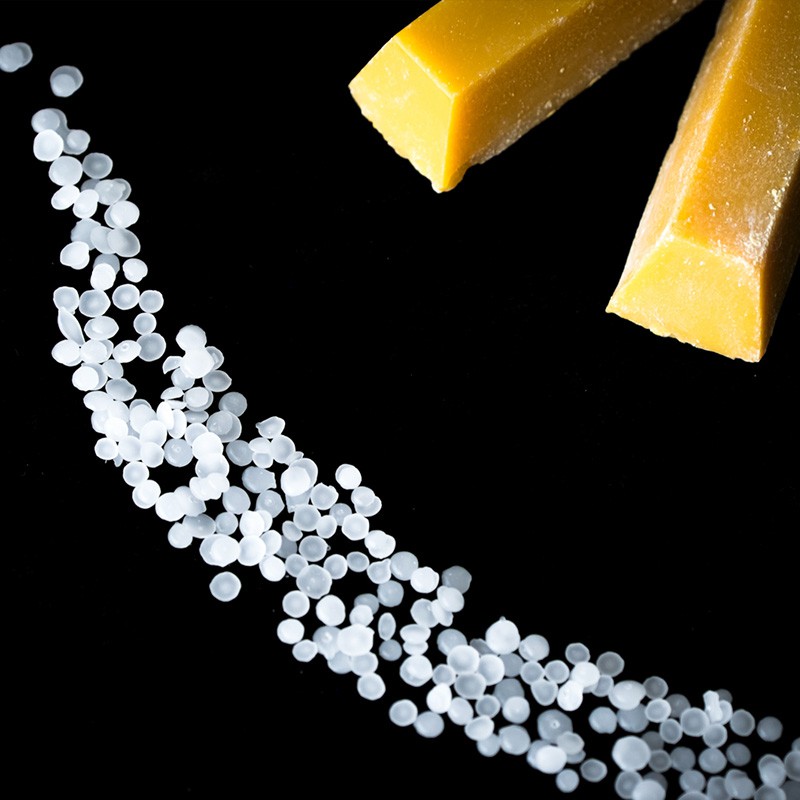
First off, let's talk a bit about what thin film bonding wax is. It's a specialized material used to bond thin films together. There are different types, like the High Melting Point Thin Film Bonding Wax, which is designed to withstand higher temperatures, and the regular Thin Film Bonding Wax. These waxes are great for a variety of applications, from electronics to optics.
Now, let's think about the deep - sea environment. It's a harsh place. The pressure down there is crazy high. For every 10 meters you go down, the pressure increases by about one atmosphere. At really deep depths, say 10,000 meters, the pressure can be over 1000 atmospheres. That's a lot of force pushing on everything, including any materials you might use down there.
Another factor is the temperature. In the deep sea, the temperature is usually pretty cold, often just a few degrees above freezing. Cold temperatures can make materials brittle, and that's not good for bonding. Also, the deep sea is full of saltwater, which is highly corrosive. Saltwater can eat away at materials over time, especially if they're not resistant to it.
So, can our thin film bonding wax handle all this? Well, it depends. Our High Melting Point Thin Film Bonding Wax has some properties that might work in its favor. It's designed to be more stable under different conditions. The high melting point means it won't easily melt or deform under the pressure and temperature changes in the deep sea.
However, the saltwater corrosion is a big concern. Most waxes aren't naturally resistant to saltwater. But we've been working on some solutions. We've developed a Wax Liquid that can be used in combination with the thin film bonding wax. This wax liquid has some anti - corrosion properties that can help protect the bond from the saltwater.
We've also done some tests in simulated deep - sea conditions. In these tests, we've found that when the thin film bonding wax is used with the wax liquid, it can maintain a pretty good bond even under high pressure and cold temperatures. But it's not a perfect solution yet. There's still some work to be done to make it even more reliable in the long - term.
One thing we're looking into is improving the adhesion of the wax to the thin films. In the deep - sea environment, any small weakening of the bond can be a big problem. We're experimenting with different additives to the wax to make it stick better.
Another aspect is the durability of the wax over time. The deep - sea environment is a long - term challenge. We need to make sure that the bond doesn't break down after months or even years of being exposed to the harsh conditions.
If you're in the business of deep - sea exploration or have a project that requires bonding thin films in a deep - sea environment, we'd love to work with you. We can provide samples of our thin film bonding wax and wax liquid for you to test in your own conditions. You can see for yourself how well it performs.

We're also open to customizing our products based on your specific needs. Maybe you need a different melting point or a higher level of anti - corrosion protection. We can work with you to develop a solution that fits your requirements.
In conclusion, while using thin film bonding wax for bonding thin films in a deep - sea environment is a challenge, we're making progress. Our current products show promise, but we're always looking to improve. If you're interested in learning more or want to start a conversation about your project, don't hesitate to reach out. We're here to help you find the best solution for your bonding needs in the deep sea.
References
- Oceanography textbooks on deep - sea environment conditions
- Internal research reports on thin film bonding wax and its performance in simulated deep - sea conditions


