

Can wax liquid be used on metal? This is a question that often comes up among those involved in metalworking, manufacturing, and various industrial applications. As a supplier of Wax Liquid, I'm here to provide a comprehensive answer based on scientific knowledge and practical experience.
Understanding Wax Liquid
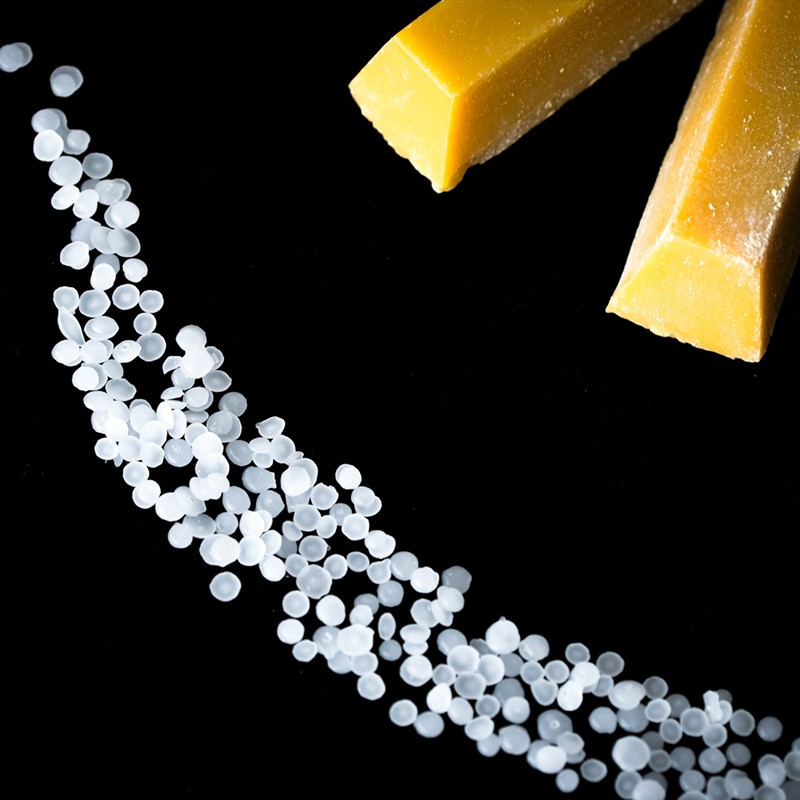
First, let's take a closer look at what Wax Liquid is. Wax Liquid is a specialized product designed for a variety of bonding and protective purposes. Our Wax Liquid is formulated with high - quality ingredients to ensure excellent performance. It has unique properties such as good adhesion, anti - corrosion characteristics, and the ability to form a smooth surface finish.

Scientific Basis for Using Wax Liquid on Metal
Adhesion
One of the key factors in determining whether wax liquid can be used on metal is its adhesion ability. Metal surfaces have a certain degree of surface energy. Our wax liquid is engineered to interact with the metal surface at a molecular level. The chemical composition of the wax liquid contains polar groups that can form weak chemical bonds with the metal atoms on the surface. For example, some wax liquids contain functional groups like esters or alcohols, which can attract and adhere to the metal surface through van der Waals forces and hydrogen bonding.
Corrosion Protection
Metals are prone to corrosion, which can significantly reduce their lifespan and performance. Wax liquid can act as a protective barrier against corrosion. When applied to a metal surface, it forms a thin film that prevents moisture, oxygen, and other corrosive agents from coming into direct contact with the metal. This is similar to the way a protective coating works. For instance, in marine environments where metals are constantly exposed to saltwater, applying wax liquid can greatly slow down the corrosion process.
Surface Finish
In many metalworking processes, achieving a smooth and high - quality surface finish is crucial. Wax liquid can help in this regard. When it is applied to a metal surface, it can fill in small surface irregularities and pores. As it dries, it leaves a smooth and shiny surface. This is beneficial not only for aesthetic purposes but also for functional applications. For example, in the automotive industry, a smooth metal surface reduces friction and improves the overall performance of moving parts.
Practical Applications of Wax Liquid on Metal
Metal Machining
During metal machining operations such as turning, milling, and grinding, wax liquid can be used as a lubricant and coolant. It reduces the friction between the cutting tool and the metal workpiece, which in turn reduces heat generation. This helps to extend the life of the cutting tool and improves the quality of the machined surface. For example, in precision machining of small metal parts, the use of wax liquid can ensure a more accurate and smooth finish.
Metal Bonding
Wax liquid can also be used for bonding metal components together. In some cases, it can act as a temporary bonding agent during assembly processes. For example, when assembling complex metal structures, wax liquid can hold the parts in place while other permanent bonding methods are being applied. Our Thin Film Bonding Wax is specifically designed for such applications, providing reliable bonding with easy removal when needed.
Metal Coating and Protection
As mentioned earlier, wax liquid can be used as a protective coating for metals. In the electronics industry, where metal components are used in sensitive devices, wax liquid can protect the metal from oxidation and environmental damage. It can also be used on metal sculptures and artworks to preserve their appearance and prevent corrosion.
Factors to Consider When Using Wax Liquid on Metal
Metal Type
Different metals have different surface properties and chemical reactivities. For example, aluminum has a relatively active surface compared to stainless steel. When using wax liquid on different metals, it is important to consider the compatibility of the wax liquid with the specific metal. Some wax liquids may be more suitable for certain metals than others. For instance, our Quartz Wax has been tested and optimized for use with a variety of metals, but it is always advisable to conduct a small - scale test first.
Surface Preparation
Proper surface preparation is essential for the effective use of wax liquid on metal. The metal surface should be clean, free of dirt, grease, and oxidation. This can be achieved through methods such as degreasing, sandblasting, or chemical cleaning. A clean surface ensures better adhesion of the wax liquid and improves its performance.
Application Method
The way wax liquid is applied to the metal surface also affects its performance. It can be applied by brushing, spraying, or dipping. Each method has its own advantages and disadvantages. For example, spraying is suitable for large - scale applications as it can provide a uniform coating quickly. However, it requires special equipment and proper ventilation. Brushing is more suitable for small - scale or detailed applications, allowing for more precise control.
Case Studies
Case 1: Automotive Industry
A major automotive manufacturer was facing issues with the corrosion of metal components in their vehicles. They decided to test our wax liquid on some of their metal parts. After applying the wax liquid, they conducted a long - term durability test. The results showed that the corrosion rate of the treated metal parts was significantly lower compared to the untreated ones. In addition, the surface finish of the treated parts was improved, which led to better performance and reduced friction in the engine components.
Case 2: Jewelry Making
A jewelry maker was looking for a way to protect the precious metals in their designs and enhance their surface finish. They used our wax liquid on some of their silver and gold pieces. The wax liquid not only provided excellent corrosion protection but also gave the jewelry a beautiful and long - lasting shine. Customers were very satisfied with the appearance and quality of the jewelry, which led to an increase in sales.
Conclusion
In conclusion, wax liquid can definitely be used on metal, and it offers many benefits in terms of adhesion, corrosion protection, and surface finish. However, it is important to consider factors such as metal type, surface preparation, and application method to ensure optimal results. As a supplier of Wax Liquid, we are committed to providing high - quality products and technical support to our customers. If you are interested in using wax liquid for your metal applications, we invite you to contact us for further discussion and to start a procurement negotiation. We are confident that our products can meet your specific needs and help you achieve the best results in your metalworking processes.
References
- "Surface Chemistry of Metals and Alloys" by J. Oudar.
- "Corrosion Science and Engineering" by R. Winston Revie.
- "Metal Machining: Theory and Applications" by Paul DeGarmo.


