

Hey there! As a supplier of Thin Film Bonding Wax, I've seen firsthand how temperature plays a super crucial role in the bonding performance of this wax. Let's dive right into it and explore how temperature can either make or break the bonding process.
First off, let's understand what thin film bonding wax is all about. It's a specialized wax used in various industries, like electronics and optics, to bond thin films to substrates. This wax needs to have excellent adhesion properties, be easy to apply, and most importantly, maintain its integrity under different conditions. Temperature is one of those key conditions that can have a huge impact on its performance.

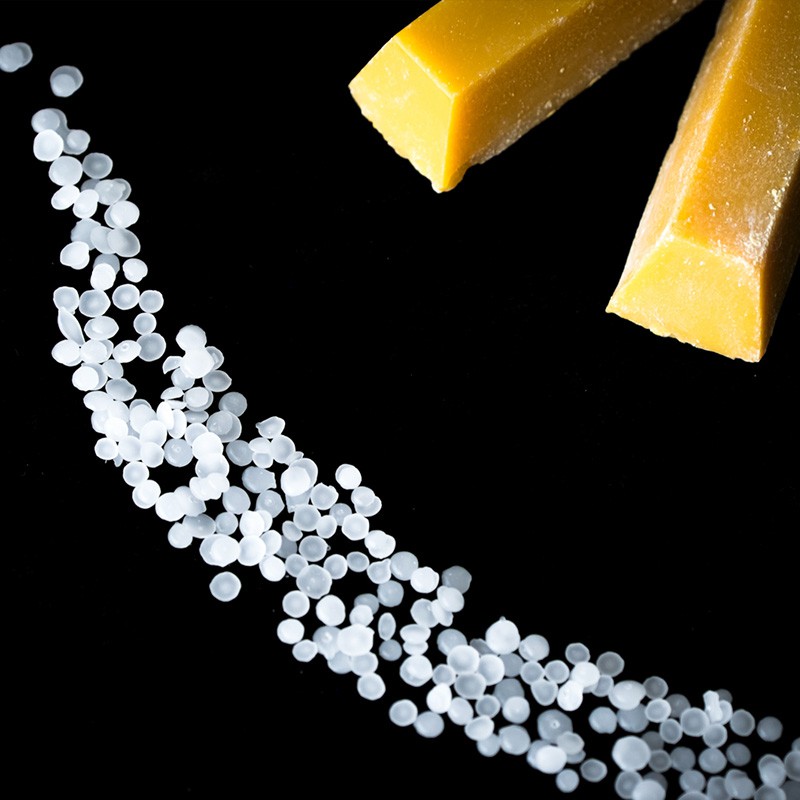
When the temperature is too low, the wax becomes hard and brittle. You know how it is when you leave something in the freezer, and it gets all stiff? Well, the same thing happens to thin film bonding wax. At low temperatures, the wax molecules move very slowly, and they don't have enough energy to form strong bonds with the thin film and the substrate. This results in poor adhesion, and the thin film might start to peel off or delaminate. It's like trying to stick two pieces of paper together with a cold glue stick - it just doesn't work well.
On the other hand, when the temperature is too high, the wax starts to melt. Just like a chocolate bar left in the sun, the wax loses its shape and consistency. High temperatures can cause the wax to become too fluid, and it might flow out from the bonding area. This not only creates a mess but also weakens the bond because the wax is no longer in the right place to hold the thin film and the substrate together. Additionally, excessive heat can break down the chemical structure of the wax, reducing its bonding strength over time.
Now, let's talk about the ideal temperature range for thin film bonding wax. Different types of wax have different melting points and optimal working temperatures. For example, our High Melting Point Thin Film Bonding Wax is designed to withstand higher temperatures without losing its bonding properties. It's great for applications where the bonding process involves some heat, like in certain manufacturing processes.
In general, most thin film bonding waxes work best within a specific temperature window. This window is usually determined by the wax's chemical composition and the requirements of the bonding application. For instance, some waxes might work best between 50°C and 80°C, while others might have a wider or narrower range. It's really important to follow the manufacturer's instructions regarding the temperature settings to ensure the best bonding results.
Another factor to consider is the rate of temperature change. Sudden temperature changes can also affect the bonding performance. If you heat the wax too quickly, it might not have enough time to form a uniform bond. And if you cool it down too fast, internal stresses can build up in the wax, leading to cracks and weak bonds. It's like baking a cake - you need to heat it slowly and steadily to get a nice, even result.
To control the temperature during the bonding process, there are several methods. One common way is to use a heating plate or a hot plate. These devices allow you to set and maintain a specific temperature, ensuring that the wax is at the right temperature for bonding. You can also use a temperature controller to monitor and adjust the temperature as needed. Additionally, pre - heating the thin film and the substrate can help to ensure that they are at the same temperature as the wax, which promotes better bonding.
We also offer Wax Liquid, which can be used in combination with the thin film bonding wax. The wax liquid can help to improve the wetting of the wax on the thin film and the substrate, especially at lower temperatures. It acts like a kind of lubricant, allowing the wax to spread more evenly and form better bonds.
In some cases, the environment where the bonding takes place can also affect the temperature. For example, if the bonding is done in a room with poor temperature control, the temperature might fluctuate, making it difficult to achieve consistent bonding results. That's why it's important to have a controlled environment, like a cleanroom or a temperature - regulated workspace, when working with thin film bonding wax.
Now, I want to emphasize how important it is to choose the right thin film bonding wax for your specific application. Different applications have different temperature requirements, and using the wrong wax can lead to costly mistakes. As a supplier, we have a team of experts who can help you select the best wax for your needs. We can also provide you with detailed information about the temperature requirements and the proper handling of the wax.
If you're in the market for thin film bonding wax and want to learn more about how temperature affects its bonding performance, or if you have any questions about our products, don't hesitate to reach out. We're here to help you get the best results with your bonding projects. Whether you're a small - scale manufacturer or a large - scale industrial user, we have the products and the knowledge to support you.
In conclusion, temperature is a critical factor in the bonding performance of thin film bonding wax. By understanding how temperature affects the wax, choosing the right wax for your application, and controlling the temperature during the bonding process, you can ensure strong and reliable bonds. So, if you're looking for high - quality thin film bonding wax that performs well under different temperature conditions, give us a shout. We're ready to assist you in your bonding needs.
References
- "Principles of Adhesion and Adhesive Bonding" by K. L. Mittal
- "Handbook of Adhesive Technology" edited by A. Pizzi and K. L. Mittal


