

Diamond lapping plates are essential tools in precision machining, used for achieving extremely flat and smooth surfaces on various materials. As a trusted supplier of Diamond Lapping Plates, I understand the importance of proper storage to maintain their performance and prevent corrosion. In this blog, I'll share some effective strategies on how to store diamond lapping plates to ensure their longevity and reliability.
Understanding the Causes of Corrosion
Before delving into storage methods, it's crucial to understand what causes corrosion in diamond lapping plates. Corrosion is primarily caused by the interaction of the plate's metal components with moisture, oxygen, and certain chemicals. The diamond particles themselves are highly resistant to corrosion, but the metal matrix that holds them in place can be vulnerable.
Moisture is one of the most common culprits. When water comes into contact with the metal matrix, it can initiate a chemical reaction that leads to rust and corrosion. Oxygen in the air can also contribute to this process, especially in the presence of moisture. Additionally, exposure to certain chemicals, such as acids or alkalis, can accelerate corrosion.
Choosing the Right Storage Environment
The first step in preventing corrosion is to select an appropriate storage environment. Here are some key factors to consider:
Temperature and Humidity Control
Maintaining a stable temperature and humidity level is essential. Ideally, the storage area should have a temperature between 20°C and 25°C (68°F and 77°F) and a relative humidity below 50%. High humidity can cause moisture to condense on the surface of the lapping plates, increasing the risk of corrosion. You can use a dehumidifier to control humidity levels, especially in areas prone to high moisture.
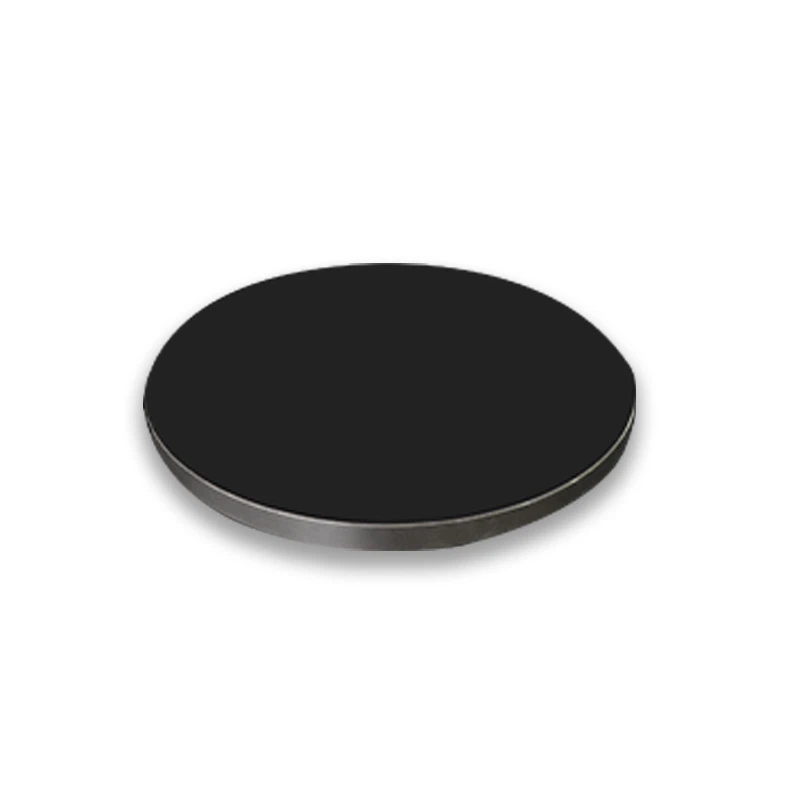

Clean and Dry Storage Space
The storage area should be clean and free from dust, dirt, and other contaminants. Dust particles can scratch the surface of the lapping plates and create small areas where moisture can accumulate, leading to corrosion. Regularly clean the storage shelves or cabinets to remove any debris.
Protection from Chemicals
Keep the lapping plates away from chemicals that can cause corrosion. This includes solvents, acids, alkalis, and other corrosive substances. If the storage area is near a chemical storage facility or a production area where chemicals are used, make sure the lapping plates are stored in a sealed container or cabinet to prevent exposure.
Proper Packaging
Proper packaging is another important aspect of preventing corrosion. When not in use, the lapping plates should be carefully wrapped to protect them from moisture and physical damage.
Use Anti-Corrosion Packaging Materials
There are several types of anti-corrosion packaging materials available, such as VCI (Volatile Corrosion Inhibitor) films and papers. VCI materials release a protective vapor that forms a thin layer on the surface of the metal, preventing corrosion. Wrap the lapping plates tightly with VCI film or place them between VCI papers before storing them.
Sealed Containers
In addition to anti-corrosion packaging, store the lapping plates in sealed containers. Plastic containers with tight-fitting lids are a good option. Make sure the containers are clean and dry before placing the lapping plates inside. You can also add a desiccant packet to the container to absorb any moisture that may be present.
Handling and Maintenance
Proper handling and maintenance during storage are also crucial to prevent corrosion.
Avoid Scratching
When handling the lapping plates, be careful not to scratch the surface. Scratches can damage the protective coating on the metal matrix and expose it to moisture and oxygen, increasing the risk of corrosion. Use gloves or soft cloths when handling the plates to prevent scratches.
Regular Inspections
Periodically inspect the lapping plates for signs of corrosion. Check for any rust spots, discoloration, or other signs of damage. If you notice any corrosion, take immediate action to clean and treat the affected area. You can use a mild abrasive cleaner and a soft brush to remove the rust, followed by a rust inhibitor to prevent further corrosion.
Lubrication
Applying a thin layer of lubricant to the surface of the lapping plates can help prevent corrosion. Choose a lubricant that is compatible with the metal matrix and the diamond particles. A light machine oil or a corrosion-resistant lubricant can be used. Apply the lubricant evenly to the surface of the plate and wipe off any excess.
Additional Accessories for Protection
In addition to proper storage methods, there are several accessories that can help protect diamond lapping plates from corrosion.
Diamond Test Blocks
Diamond test blocks can be used to test the performance of the lapping plates and ensure their accuracy. They can also be used as a protective barrier between the lapping plates and other objects in the storage area, reducing the risk of physical damage.
Abrasive Autofeed Cylinder
An abrasive autofeed cylinder can help maintain the proper amount of abrasive on the lapping plates, ensuring consistent performance. It can also prevent the abrasive from drying out and hardening, which can cause damage to the plates.
Polishing Plates
Polishing plates can be used in conjunction with diamond lapping plates to achieve a higher level of surface finish. They can also be stored together with the lapping plates to protect them from corrosion and physical damage.
Conclusion
Proper storage of diamond lapping plates is essential to prevent corrosion and maintain their performance. By choosing the right storage environment, using proper packaging, handling and maintaining the plates correctly, and using additional accessories for protection, you can ensure the longevity and reliability of your lapping plates.
If you're interested in purchasing high-quality diamond lapping plates or have any questions about their storage and maintenance, please feel free to contact us for a consultation. We're here to help you find the best solutions for your precision machining needs.
References
- ASM Handbook, Volume 13A: Corrosion: Fundamentals, Testing, and Protection. ASM International.
- ASTM International standards related to corrosion prevention and control.
- Manufacturer's guidelines for diamond lapping plates.


