

In the realm of precision measurement and calibration, test blocks play a crucial role. They are used to verify the accuracy of measuring instruments, ensuring that they provide reliable and consistent results. Among the various types of test blocks available in the market, diamond test blocks stand out due to their unique properties and advantages. As a supplier of diamond test blocks, I am often asked about the differences between diamond test blocks and other test blocks. In this blog post, I will delve into these differences to help you understand why diamond test blocks might be the right choice for your specific needs.
Material Composition
One of the most fundamental differences between diamond test blocks and other test blocks lies in their material composition. Traditional test blocks are typically made from materials such as steel, cast iron, or ceramic. These materials have been used for many years and offer certain advantages in terms of hardness, stability, and machinability.
Steel test blocks, for example, are known for their high strength and durability. They can withstand repeated use and are relatively easy to machine into the desired shape and size. Cast iron test blocks, on the other hand, have good damping properties, which can help reduce vibrations during measurement. Ceramic test blocks are valued for their high hardness and resistance to wear, making them suitable for applications where precision is critical.
In contrast, diamond test blocks are made from synthetic diamond or natural diamond. Diamond is the hardest known material, with a Mohs hardness of 10. This extreme hardness gives diamond test blocks several unique properties that set them apart from other test blocks.
Hardness and Wear Resistance
The hardness of a test block is a key factor in its performance. A harder test block is less likely to be scratched or damaged during use, which means it can maintain its accuracy over a longer period of time. Diamond test blocks, with their exceptional hardness, offer superior wear resistance compared to other test blocks.
When used in conjunction with measuring instruments, test blocks are often subjected to repeated contact and friction. Over time, this can cause wear on the surface of the test block, leading to a loss of accuracy. With diamond test blocks, the risk of wear is significantly reduced. Their hard surface can withstand the rigors of frequent use without losing its shape or dimensional accuracy.
For example, in a manufacturing environment where measuring instruments are used to check the dimensions of machined parts, a diamond test block can provide consistent and reliable calibration for a much longer time than a steel or ceramic test block. This not only improves the accuracy of the measurement process but also reduces the frequency of test block replacement, resulting in cost savings in the long run.
Surface Finish and Flatness
The surface finish and flatness of a test block are also important considerations. A smooth and flat surface is essential for accurate measurement, as it ensures proper contact between the test block and the measuring instrument.

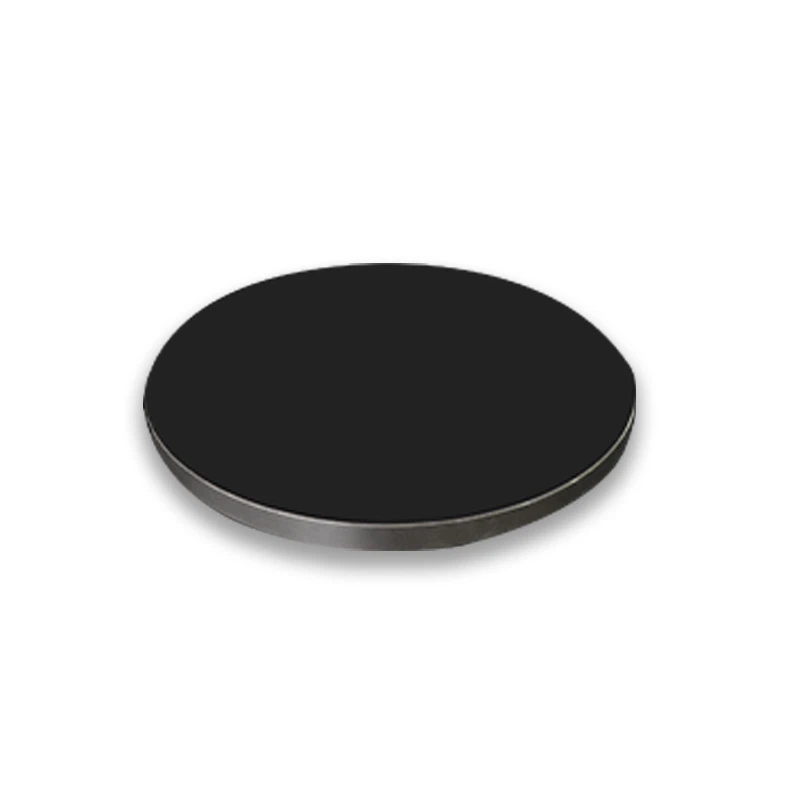
Diamond test blocks can achieve an extremely high surface finish and flatness. The hardness of diamond allows for precise machining and polishing, resulting in a surface that is virtually flawless. This high-quality surface finish minimizes the error caused by surface irregularities, providing more accurate measurement results.
In comparison, other test blocks may be more difficult to achieve the same level of surface finish and flatness. Steel test blocks, for instance, may require additional polishing steps to achieve a smooth surface, and even then, they may not be as flat as diamond test blocks. Ceramic test blocks can also be challenging to machine to the desired surface quality, especially for complex shapes.
Thermal Stability
Thermal stability is another factor that can affect the accuracy of test blocks. Changes in temperature can cause test blocks to expand or contract, which can lead to dimensional changes and measurement errors.
Diamond has a very low coefficient of thermal expansion, which means it is less affected by temperature changes compared to other materials. Diamond test blocks can maintain their dimensional stability over a wide range of temperatures, making them suitable for use in environments where temperature fluctuations are common.
For example, in a laboratory setting where the temperature may vary throughout the day, a diamond test block will provide more consistent measurement results than a steel or ceramic test block. This is particularly important in applications where high precision is required, such as in the aerospace or semiconductor industries.
Applications
The unique properties of diamond test blocks make them suitable for a variety of applications. They are commonly used in industries where high precision and accuracy are critical, such as aerospace, automotive, and medical device manufacturing.
In the aerospace industry, diamond test blocks are used to calibrate measuring instruments for the production of aircraft components. The high accuracy and wear resistance of diamond test blocks ensure that the components meet the strict quality standards required in this industry.
In the automotive industry, diamond test blocks are used for the calibration of measuring equipment in engine manufacturing and other precision machining processes. The ability of diamond test blocks to maintain their accuracy over time helps to improve the quality and performance of automotive parts.
In the medical device manufacturing industry, diamond test blocks are used to ensure the accuracy of measuring instruments used in the production of medical devices. The high surface finish and flatness of diamond test blocks are essential for the precise measurement of small and delicate components.
Complementary Products
In addition to diamond test blocks, there are several complementary products that can enhance the performance of the measurement process. Polishing Plates are used to maintain the surface finish of test blocks, ensuring that they remain in optimal condition for accurate measurement. Diamond Lapping Plates are specifically designed for lapping operations, which can further improve the flatness and surface quality of test blocks. Abrasive Autofeed Cylinder can be used to automate the abrasive feeding process, making the lapping and polishing operations more efficient.
Conclusion
In conclusion, diamond test blocks offer several significant advantages over other test blocks. Their extreme hardness, wear resistance, high surface finish, flatness, and thermal stability make them the preferred choice for applications where high precision and accuracy are required. While traditional test blocks such as steel, cast iron, and ceramic still have their place in certain applications, diamond test blocks provide a level of performance that is unmatched by other materials.
If you are in the market for test blocks and are looking for a solution that offers superior accuracy and durability, I encourage you to consider diamond test blocks. As a supplier of diamond test blocks, I am committed to providing high-quality products and excellent customer service. If you have any questions or would like to discuss your specific requirements, please feel free to contact me for a consultation and potential purchase negotiation.
References
- Callister, W. D., & Rethwisch, D. G. (2011). Materials Science and Engineering: An Introduction. Wiley.
- Shackelford, J. F. (2009). Introduction to Materials Science for Engineers. Pearson.
- ASME B89.1.9 - 2002 (R2007). Gage Blocks.


